
Curaçao has over 70 recognized dive and snorkel sites and, unusually for the Caribbean, the vast majority are reachable straight from the shore, no boat required. Water stays around 27°C (81°F) year-round with visibility regularly exceeding 30 meters.
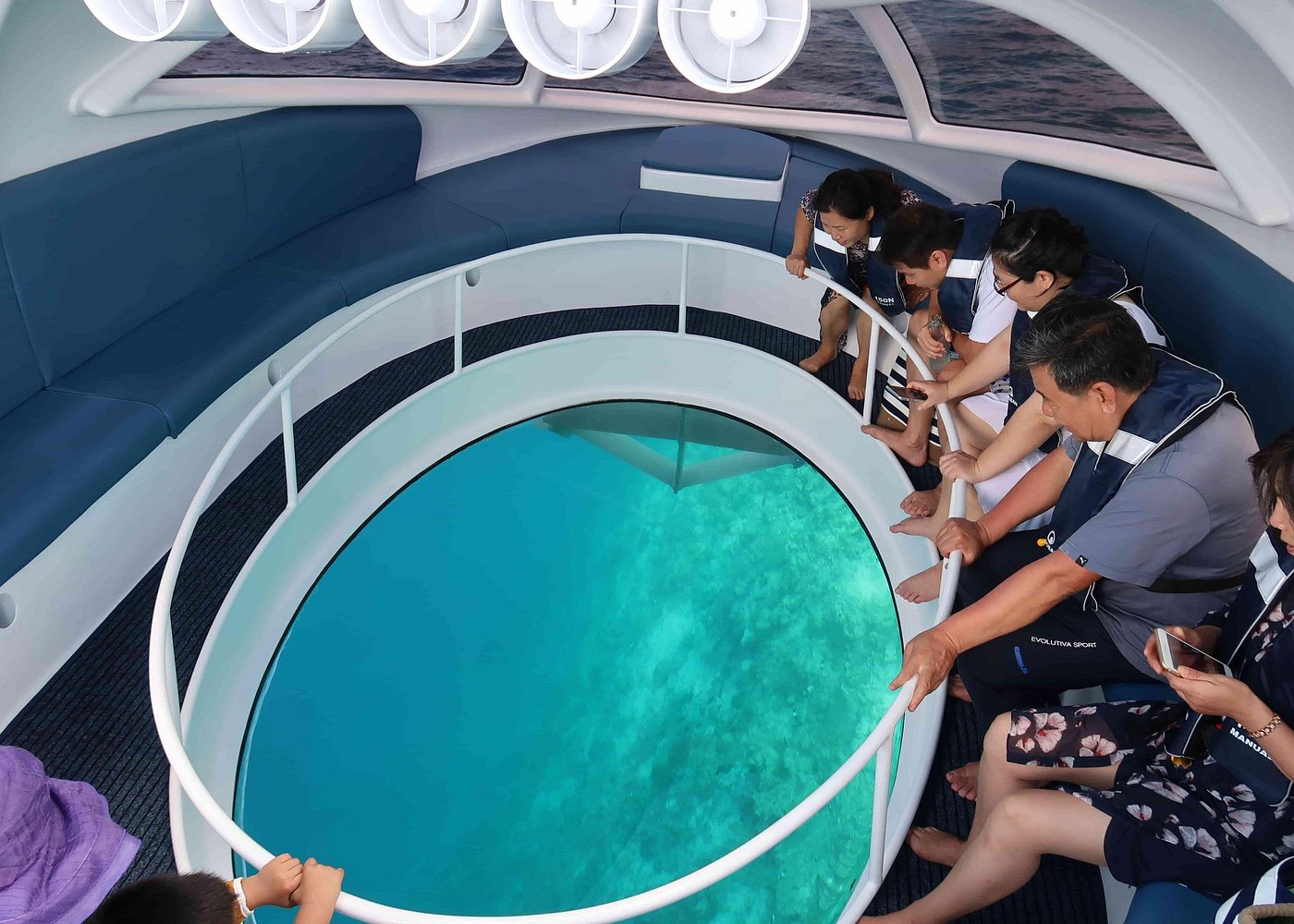
Tugboat Wreck (Caracasbaai) — the island's most famous, most accessible site: a sunken tugboat resting in just 5 meters of calm, protected water, now covered in sponges and coral, with parrotfish and seahorses common. Genuinely beginner and snorkeler-friendly. Book a glass-bottom boat tour there →
Saba Shipwreck Area (Caracasbaai) — a second wreck site along the same stretch of coastline as the Tugboat, typically added onto longer boat tours as a third or fourth snorkel stop alongside an additional reef, conditions permitting. Best reached as part of a guided boat tour rather than from shore. Book the extended tour that includes it →
Mushroom Forest & The Blue Room — near Westpunt, an otherworldly reef of large mushroom-shaped coral heads, right next to a cave where sunlight through a narrow opening creates a glowing blue chamber. One of the most photographed underwater spots on the island.
Playa Kalki ("Alice in Wonderland") — frequently rated the #1 dive/snorkel site on the island, at Westpunt. A rope from the dock leads straight out to a reef dropping from 30 to 100 feet.
Playa Piskadó (Playa Grandi) — the spot to actually swim alongside wild sea turtles, at a small fishing village near Westpunt. Please don't touch or feed them, they're wild animals, not a photo prop.
Klein Curaçao — a small, uninhabited island roughly 6.5 miles offshore, reachable only by boat. Locals say the marine life here is simply bigger and more abundant. Turtles, groupers, and ocean triggerfish are practically guaranteed.
Superior Producer — a sunken cargo ship resting around 100 feet down, now a thriving artificial reef. This one's for certified, more experienced divers, not snorkelers.
Director's Bay — a former private beach used by Royal Dutch Shell executives until 1985, now open to everyone. Calm water, great for macro photography, seahorses, frogfish, and the occasional octopus.
Bring water shoes. The sand near the water's edge at several of these spots has coral debris. The best overall diving conditions run April through November, though the water is genuinely swimmable and clear nearly year-round.
Most of these spots sit on the island's west side, well outside walking range of Willemstad. Exactly the kind of day a booked tour or private driver makes far easier than trying to string together on your own.