Curaçao Travel Guides

Know the island
before you land

Honest guides written from Curaçao — transport, beaches, safety, day trips, family travel, and 15 things every first-timer should know.

🇬🇧 English 🇪🇸 Español 🇳🇱 Nederlands
Featured Guides

Start here

🆕 What's New in 2026

Fresh This Year

🚕 Getting Around

Transport & Logistics

📋 Essential Info

Before You Go

🌴 Things to Do

Activities & Experiences

🍽️ Food & Nightlife

Eat, Drink & Go Out

🗓️ Planning Your Trip

Research & Compare

📖 Read the Full Guides Below

🏝️ Planning your trip

Curaçao vs Aruba: Which ABC Island Should You Actually Pick?

Curaçao Caribbean coastline and beach
Curaçao's dramatic coastline — one of the deciding factors when choosing between the ABC islands. · Photo: Michelle-Maria / Pixabay

Curaçao and Aruba sit less than 50 miles apart, share the same Dutch Caribbean history, and get lumped together constantly — but the actual experience of visiting each one is genuinely different. Here's the honest breakdown.

Aruba is the easier, more polished choice. Roads are well-marked, traffic is minimal, and the island is compact enough that a rental car (or even just staying resort-side) covers most of what you'd want to do. It's also busier — Aruba pulls in around 2 million visitors a year against a population that makes for roughly 19 tourists per local, so expect a more built-up, resort-driven feel.

Curaçao is bigger, less touristy, and asks a little more of you to explore properly. It's roughly twice Aruba's size with a comparable population, spread across a UNESCO old town, dramatic west-coast cliffs, and a national park — which means getting around takes actual planning, not just a walk from your resort. Curaçao received under 500,000 visitors in recent years, well below Aruba's numbers, which is exactly why so many travelers describe it as feeling like "the hidden gem" of the two.

Where Curaçao pulls ahead: snorkeling straight off the shore with genuinely clear, deep-turquoise visibility; a more distinct food scene blending Dutch, Latin American, and Caribbean influences rather than the more Americanized, resort-style dining common in Aruba; and a real, lived-in old town in Willemstad rather than a purpose-built tourist strip.

Where Aruba pulls ahead: easier logistics, more resort variety, and famous flamingo encounters at Renaissance Island. If your ideal trip is "land, walk to the beach, don't think about transportation again," Aruba is built exactly for that.

The practical catch with Curaçao: because the island is bigger and its best spots (Christoffel Park, the west-coast beaches, Shete Boka) are genuinely spread out, you'll want either a rental car or a local driver — this is exactly the gap Kumbai is built to fill, so "Curaçao takes more planning to get around" doesn't have to mean "Curaçao is more work."

Both islands sit outside the main hurricane belt, both are considered very safe for visitors, and both run warm and sunny nearly year-round. If you can only pick one: choose Aruba for simplicity, choose Curaçao for variety, culture, and the feeling of discovering something most people haven't.

Download the Kumbai app See island tours
📅 Trip planning

How Many Days Do You Need in Curaçao? (Real Sample Itinerary)

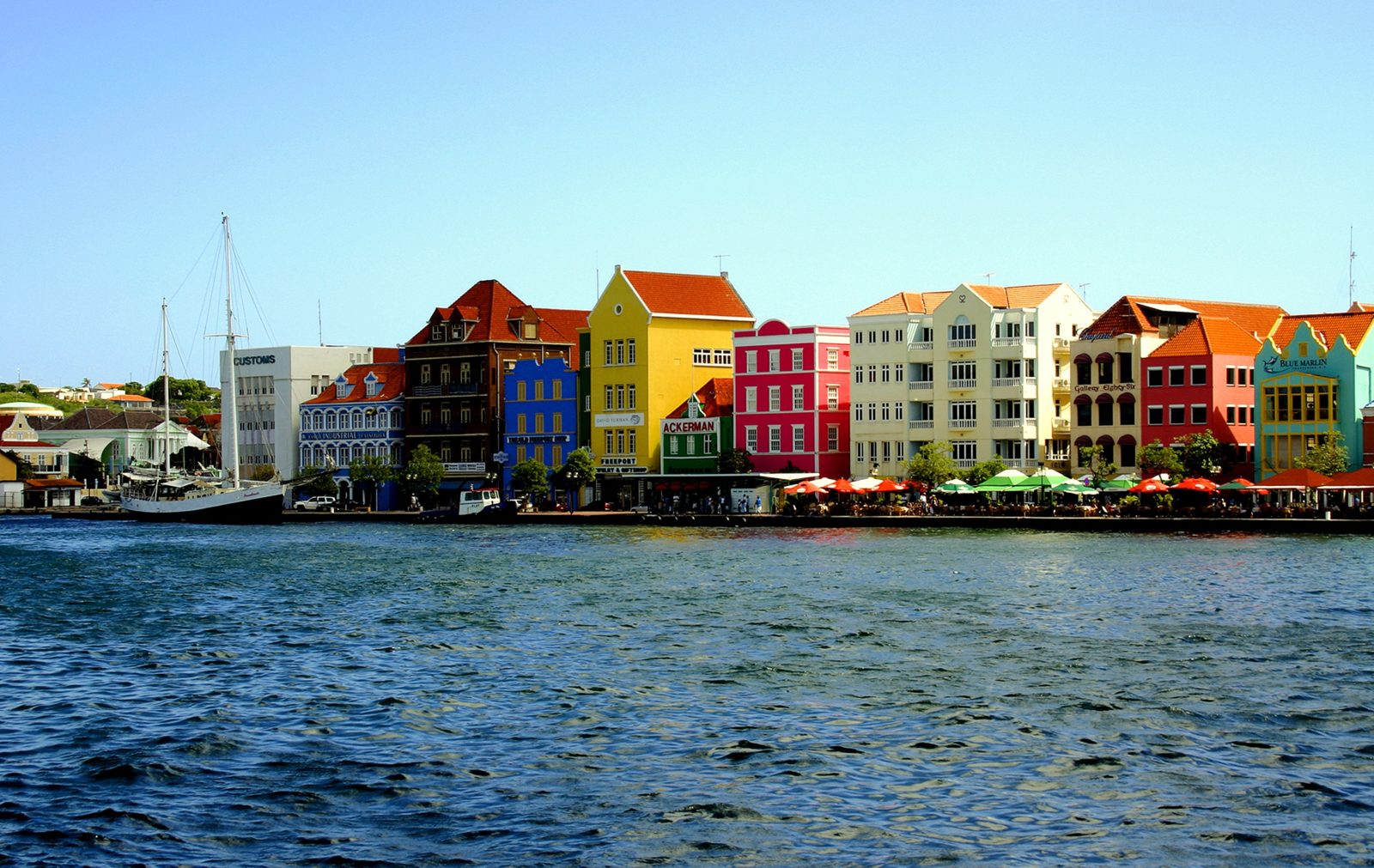
Willemstad Curaçao colorful harbour waterfront Handelskade
The Handelskade waterfront in Willemstad — day one of any Curaçao itinerary. · Photo: Michelle-Maria / Pixabay

Short answer: 4–5 days covers the highlights comfortably; 7+ days lets you actually relax between them. Curaçao is bigger than most first-time visitors expect, and its best spots are spread across the whole island, not clustered in one resort strip — so the number of days changes what's actually realistic to fit in.

Day 1 — Willemstad. Ease into the island with a walking tour of Punda and Otrobanda, cross Queen Emma Bridge, snap a photo at the Curaçao/Dushi sign, and if it's a Thursday, stay for Punda Vibes in the evening.

Day 2 — Beach day, west coast. Cas Abao or Playa Kenepa Grandi for classic turquoise-water lounging, with snorkeling right off the shore.

Day 3 — Nature day. Christoffel National Park for a dawn hike up Mount Christoffel, or Shete Boka National Park for the dramatic wave-crashed north coast — both are full-day trips given the drive.

Day 4 — Water day. A snorkeling or dive tour to Tugboat Wreck, Mushroom Forest, or a full boat trip out to Klein Curaçao if you have the time for it.

Day 5 (if you have it) — Hidden gems day. Jan Kok flamingos at sunrise, Fort Beekenburg, Spanish Water Lagoon by kayak, or simply a slower morning before your flight.

The real planning challenge: unlike a resort-only trip, several of the best days above involve driving to the opposite side of the island from where most hotels are. That's genuinely where a rental car or a booked driver changes the trip from "exhausting logistics" to "just showing up and enjoying it."

Browse tour packages Download the Kumbai app
🐠 Underwater

The Best Snorkeling and Dive Spots in Curaçao
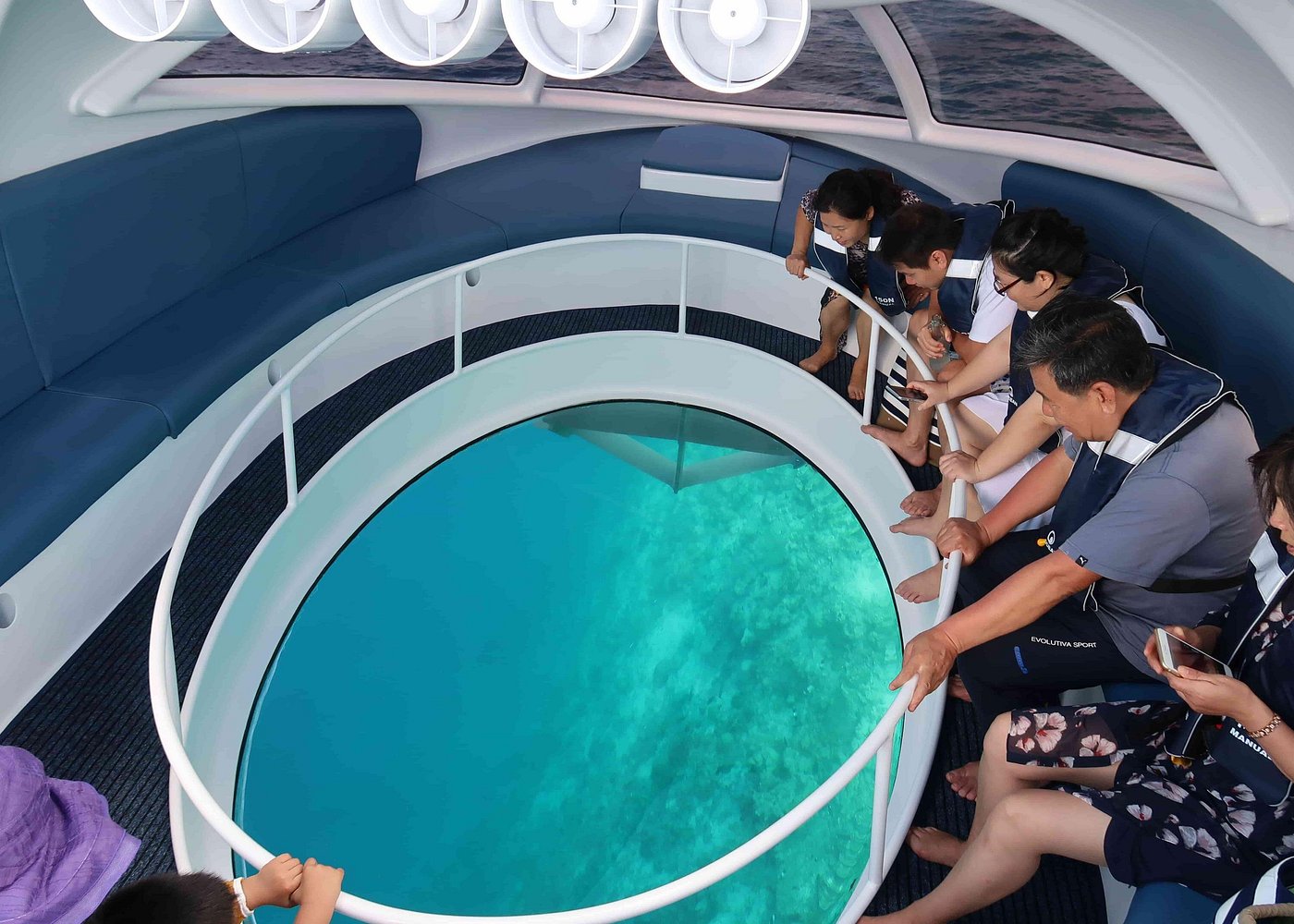
Curaçao clear turquoise Caribbean water snorkeling reef
Curaçao's crystal-clear water — visibility regularly exceeds 20 metres. · Photo: Diego-Vasquez / Pixabay

Curaçao has over 70 recognized dive and snorkel sites, and — unusually for the Caribbean — the vast majority are reachable straight from the shore, no boat required. Water stays around 27°C (81°F) year-round with visibility regularly exceeding 30 meters.

Tugboat Wreck (Caracasbaai) — the island's most famous, most accessible site: a sunken tugboat resting in just 5 meters of calm, protected water, now covered in sponges and coral, with parrotfish and seahorses common. Genuinely beginner and snorkeler-friendly. Book a glass-bottom boat tour there →
Saba Shipwreck Area (Caracasbaai) — a second wreck site along the same stretch of coastline as the Tugboat, typically added onto longer boat tours as a third or fourth snorkel stop alongside an additional reef, conditions permitting. Best reached as part of a guided boat tour rather than from shore. Book the extended tour that includes it →
Mushroom Forest & The Blue Room — near Westpunt, an otherworldly reef of large mushroom-shaped coral heads, right next to a cave where sunlight through a narrow opening creates a glowing blue chamber. One of the most photographed underwater spots on the island.
Playa Kalki ("Alice in Wonderland") — frequently rated the #1 dive/snorkel site on the island, at Westpunt. A rope from the dock leads straight out to a reef dropping from 30 to 100 feet.
Playa Piskadó (Playa Grandi) — the spot to actually swim alongside wild sea turtles, at a small fishing village near Westpunt. Please don't touch or feed them — they're wild animals, not a photo prop.
Klein Curaçao — a small, uninhabited island roughly 6.5 miles offshore, reachable only by boat. Locals say the marine life here is simply bigger and more abundant — turtles, groupers, and ocean triggerfish are practically guaranteed.
Superior Producer — a sunken cargo ship resting around 100 feet down, now a thriving artificial reef. This one's for certified, more experienced divers, not snorkelers.
Director's Bay — a former private beach used by Royal Dutch Shell executives until 1985, now open to everyone. Calm water, great for macro photography — seahorses, frogfish, and the occasional octopus.

Bring water shoes — the sand near the water's edge at several of these spots has coral debris. The best overall diving conditions run April through November, though the water is genuinely swimmable and clear nearly year-round.

Most of these spots sit on the island's west side, well outside walking range of Willemstad — exactly the kind of day a booked tour or private driver makes far easier than trying to string together on your own.

See snorkeling & sunset boat tours Download the Kumbai app
🚦 Decision guide

Taxi App or Rental Car in Curaçao? Here's How to Actually Decide
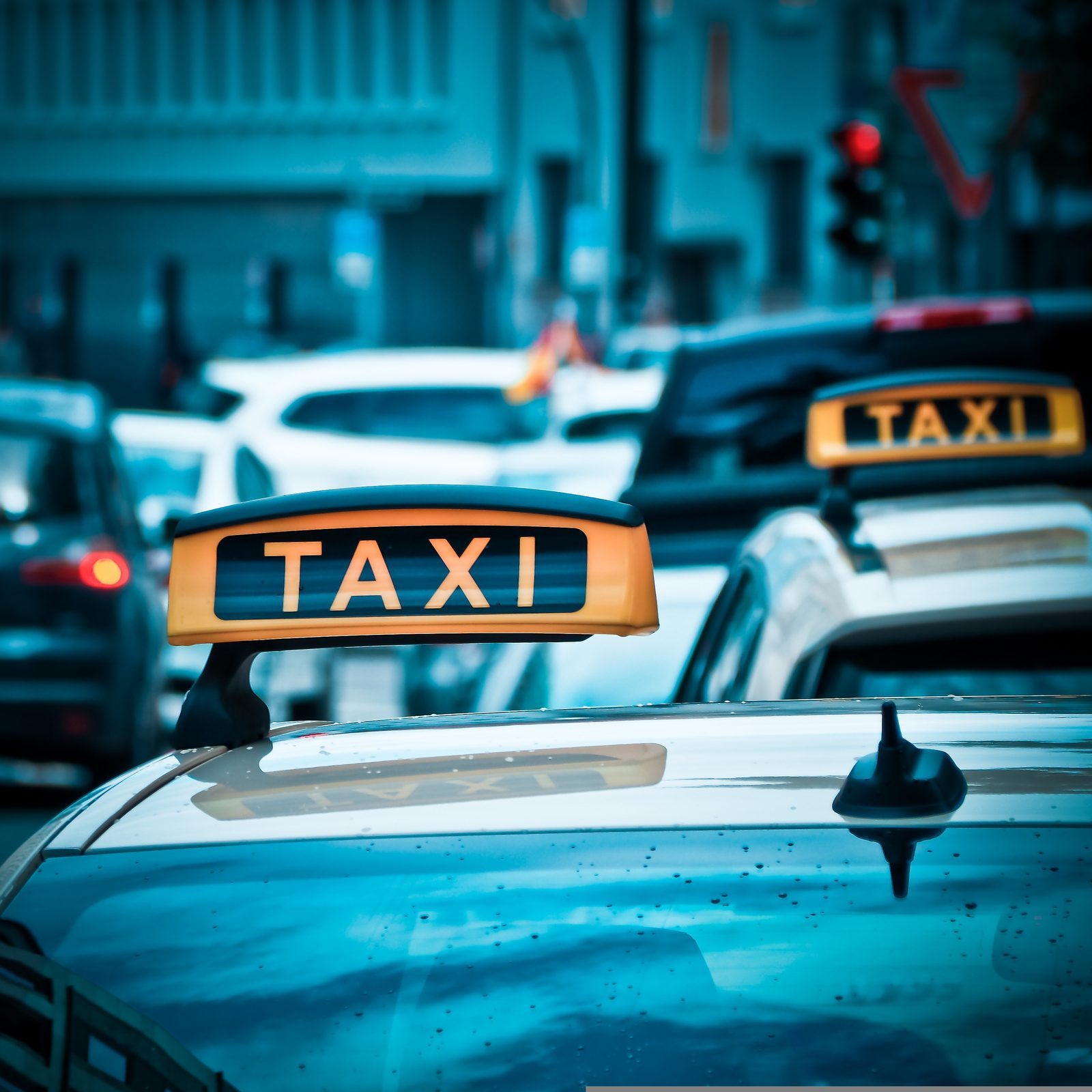
Car driving on road in Curaçao
Curaçao roads are good — but knowing when to drive vs when to book a Kumbai makes all the difference. · Photo: Pixabay

This is the single most common transportation question visitors ask before landing — and the honest answer is "it depends on what kind of trip you're planning," not a one-size-fits-all pick. Here's how to actually think it through.

Rent a car if: you want full control over your schedule, plan to hit multiple far-flung spots in one day (Christoffel Park in the morning, a west-coast beach in the afternoon), and don't mind driving on unfamiliar roads. Rental cars on the island are generally well-reviewed and give total flexibility — but you're also responsible for navigation, parking, fuel, and returning the car on time, and it isn't cheap once you add insurance.

Book a ride or tour app if: you'd rather not navigate unfamiliar roads on vacation, you're traveling solo or without a local driver's license you're comfortable using abroad, or you just want to enjoy the scenery instead of watching for turns. The catch is that not all ride apps on the island are built the same way.

The thing nobody tells you about ride-hailing on a smaller island: some apps simply broadcast your request to whichever driver happens to be free, with no real accountability if nobody picks it up — which is exactly why "no driver showed" and "got stranded waiting" are such common complaints in traveler reviews of taxi apps here. Before you rely on any app for something time-sensitive (an early flight, a late-night pickup), it's worth checking recent reviews specifically for reliability, not just price.

This is the exact gap Kumbai is built around: a confirmed driver and live tracking once you book, so you're not left guessing whether your ride is actually coming. And because Kumbai covers rides, tours, and nightlife in one app, you're not switching between three different services depending on what kind of day you're having.

The honest middle ground many visitors land on: a rental car for a couple of the big island-exploring days (Christoffel, the west-coast beaches), and a booked ride or tour for the airport transfer, nights out, and anything where you'd rather not worry about parking or driving after dark. You don't have to pick just one for the whole trip.

Book a ride See island tours
💎 Off the beaten path

8 Curaçao Hidden Gems Most Tourists Never Find

Curaçao hidden beach and rugged coastline
Curaçao has over 35 beaches — most tourists only find five of them. · Photo: Pixabay

Most first-time visitors see Willemstad, hit Mambo Beach, and call it a trip. That's a perfectly good few days — but it's maybe a third of what the island actually has. Here are eight real, verified spots that don't show up in the standard resort itinerary, several of which are far easier to reach with a driver than on your own.

1. Santa Martha Lookout — a viewpoint over the northwest coast that most guidebooks skip entirely. Rolling hills, a curved bay, and mountains on the horizon, all from one pull-off on the way to Westpunt. Best light is late afternoon.
2. Shete Boka National Park — "seven inlets" in Papiamentu, on the rugged north coast where the open Caribbean smashes into volcanic rock. Boka Tabla is a half-submerged cave where waves crash right beneath your feet; Boka Pistol shoots spray dramatically into the air. Stay on the marked paths — this coastline is not the calm side of the island.
3. Jan Kok Salt Flats — wild flamingos, no entrance fee, no official tour required. Park along the road and watch dozens of them wade through the shallow salt pans. Sunrise or sunset gives you the best light and the most birds.
4. Playa Kenepa Chikitu (Klein Knip) — the smaller, quieter neighbor to the more popular Kenepa Grandi, with a genuine cliff-jump spot into deep, brilliantly blue water. Even kids do it at the easier ledges — just watch for rocks near the edges of the cove.
5. Fort Beekenburg — an 18th-century Dutch fort built to defend Spaanse Water, open 24 hours with free access. Climb the round tower for a genuinely great coastal view most cruise-ship visitors never see.
6. Mount Christoffel — the island's highest point, inside Christoffel National Park. The hike up is a real workout through cactus-studded terrain, best started at dawn before the heat sets in, but the 360° island view from the top is worth every step.
7. Spanish Water Lagoon — trade the crowded boat tours for a kayak through calm mangrove channels. Pelicans, iguanas, and the occasional sea turtle gliding beneath your paddle, a few minutes from Jan Thiel.
8. Landhuis Santa Martha & Landhuis Knip — former plantation houses turned museums, one perched on a quiet hilltop, the other tied to the island's history of the Tula slave revolt. Genuinely moving, and almost never crowded.

Several of these — Shete Boka, Christoffel Park, the flamingos at Jan Kok — are spread across the island's north and west, well outside easy walking or public-transport range. That's exactly the kind of day a private driver or a booked island tour makes dramatically easier than trying to navigate it yourself.

Bonus: Skydive Curaçao — not hidden exactly, but still overlooked by most visitors who don't realize it's available. A 30-minute scenic flight over the entire island, 45 seconds of freefall from 10,000 ft, and 7 minutes floating down under the parachute. The aerial view of Curaçao is genuinely unlike anything you'll see from the ground. Book a tandem skydive →
Download the Kumbai app See island tours
🎆 Nightlife & culture

Punda Vibes: Curaçao's Best Free Night Out, Every Thursday
Willemstad Curaçao nightlife bars at night
Willemstad comes alive on Thursday nights for Punda Vibes. · Photo: Michelle-Maria / Pixabay
Colorful Punda streets at night during Punda Vibes, Willemstad

If you're in Willemstad on a Thursday and you don't already have plans, you have plans now. Punda Vibes is a free, weekly street festival that turns the historic Punda district into the liveliest few blocks in the Caribbean — live Tumba and Tambú music on every corner, folkloric dancers in traditional dress, craft markets, and street food, all packed into the same UNESCO-listed streets you'd otherwise just be walking through by day.

It runs roughly 6 PM to 10 PM every Thursday, rain or shine, all year round — not a one-off event you have to time your whole trip around. Land on a Tuesday, and Punda Vibes is already on your itinerary without you doing anything.

The main event happens at 8:15 PM: fireworks over the Handelskade waterfront, visible from basically anywhere in Punda. Locals swear by three spots for the best view — the Handelskade waterfront itself, Wilhelmina Plein, or looking down from a rooftop table at Cascada Rooftop Bar, which is booked out well in advance on Thursdays for exactly this reason.

Bring some cash for the food stalls (pastechi — a fried pastry stuffed with meat, cheese, or fish — is the local favorite), wear shoes you don't mind walking cobblestones in, and plan your ride home before the crowds start leaving. This is genuinely one of the best free things to do anywhere in the Caribbean, and it happens 52 times a year.

🍽️
Food Guide

Where Locals Eat in Curaçao

Skip the tourist traps. Fresh seafood, traditional Papiamentu dishes, and the spots locals actually go to — starting with Kas di Piskado Rondu.

Read guide →
See Cascada & plan your Thursday night Book a ride
🌉 Willemstad

Two Bridges and a Giant Sign — The Willemstad Photos Everyone Takes

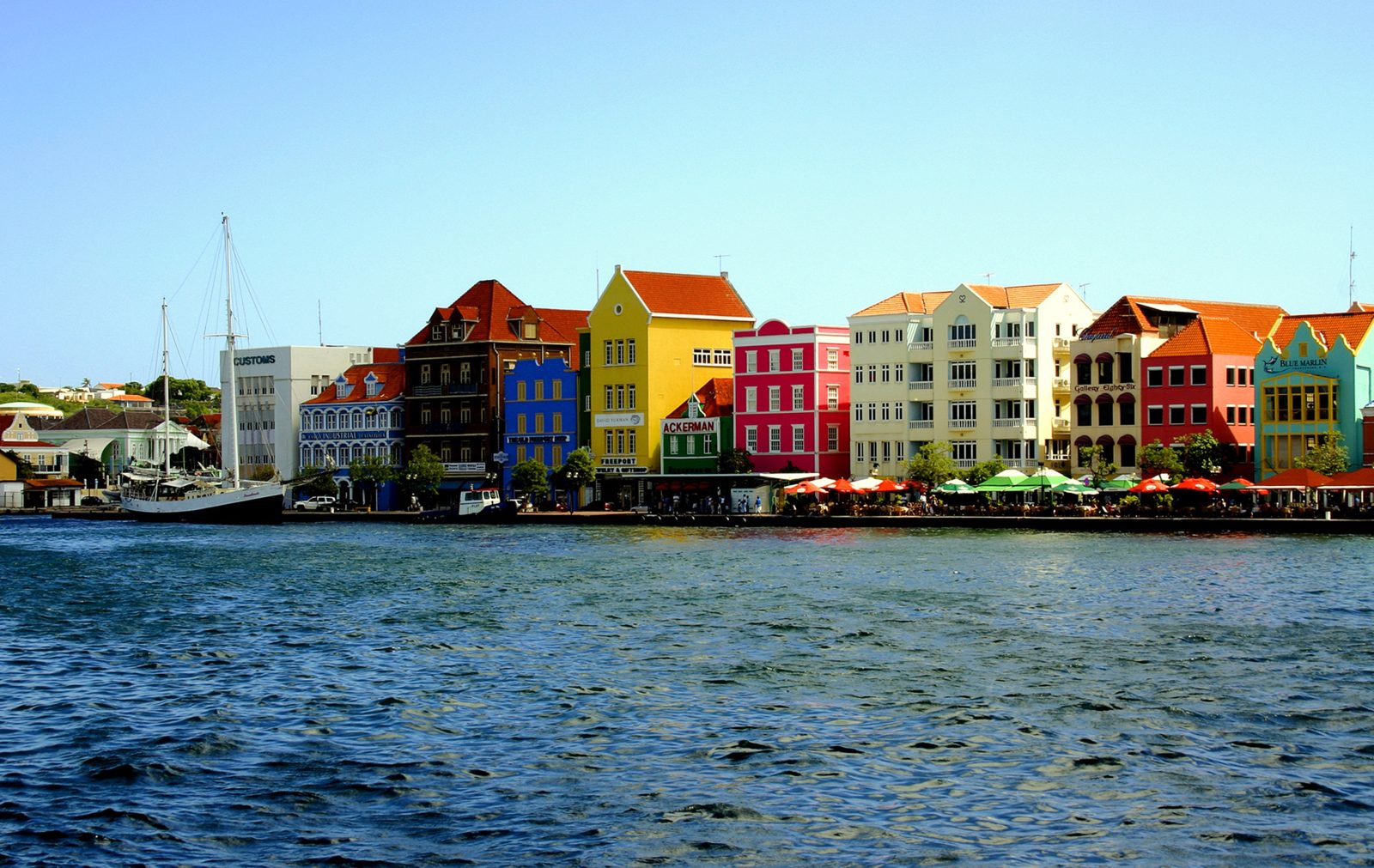
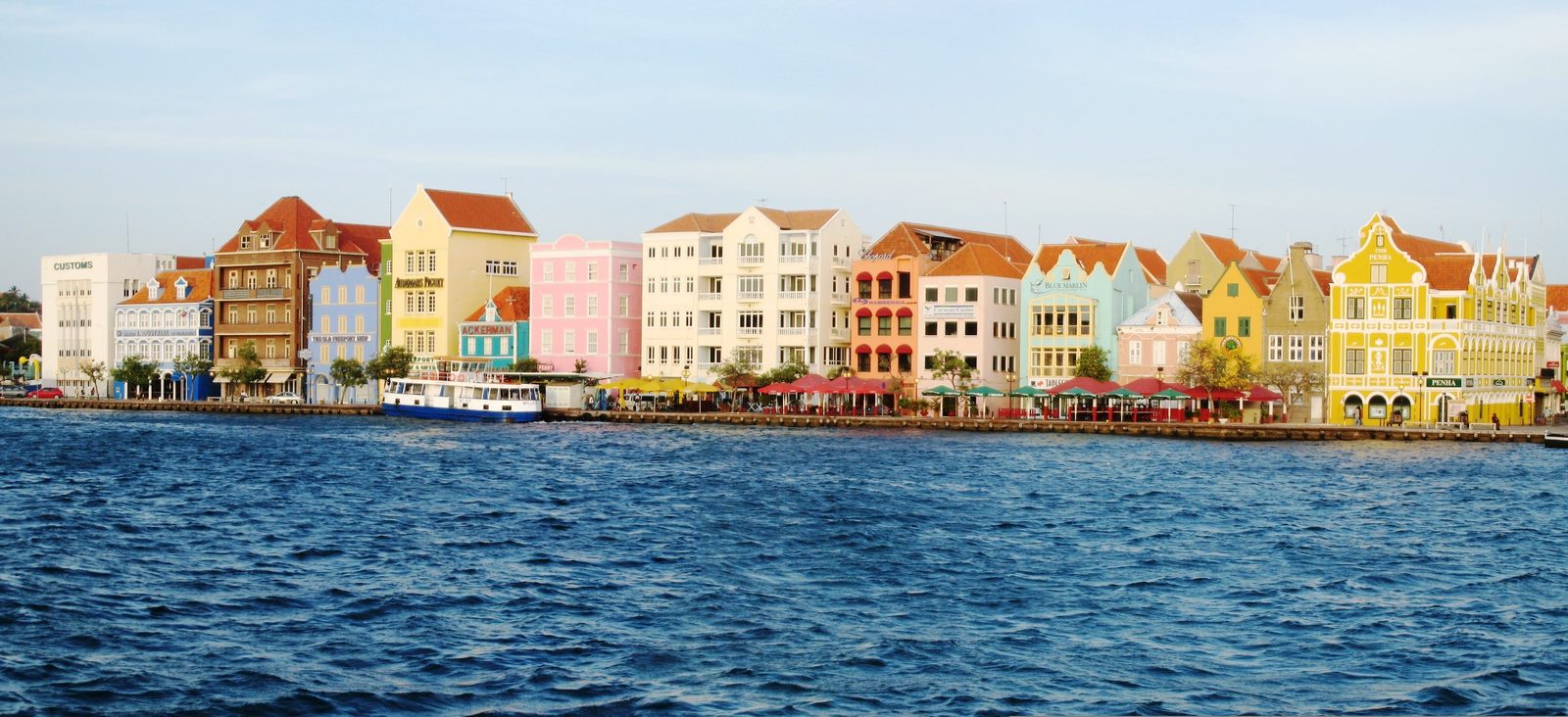
Willemstad Curaçao Handelskade colorful colonial buildings
The Handelskade — the most photographed view in Curaçao. · Photo: Michelle-Maria / Pixabay

Three landmarks show up in nearly every Curaçao photo album, and they're all within a 10-minute walk of each other in Willemstad.

Queen Emma Bridge — nicknamed the "Swinging Old Lady" — is a floating pontoon walkway built in 1888 connecting Punda and Otrobanda. It genuinely swings open on the water to let ships pass, and if you're walking across when the bell rings, you don't get off — you just ride the bridge as it swings.

A short distance away, Queen Juliana Bridge is the tall arched one you can spot from almost anywhere in the city — opened in 1974, and built high enough for the largest cruise ships to sail underneath into the harbor. Driving across it gives you one of the most dramatic views on the entire island.

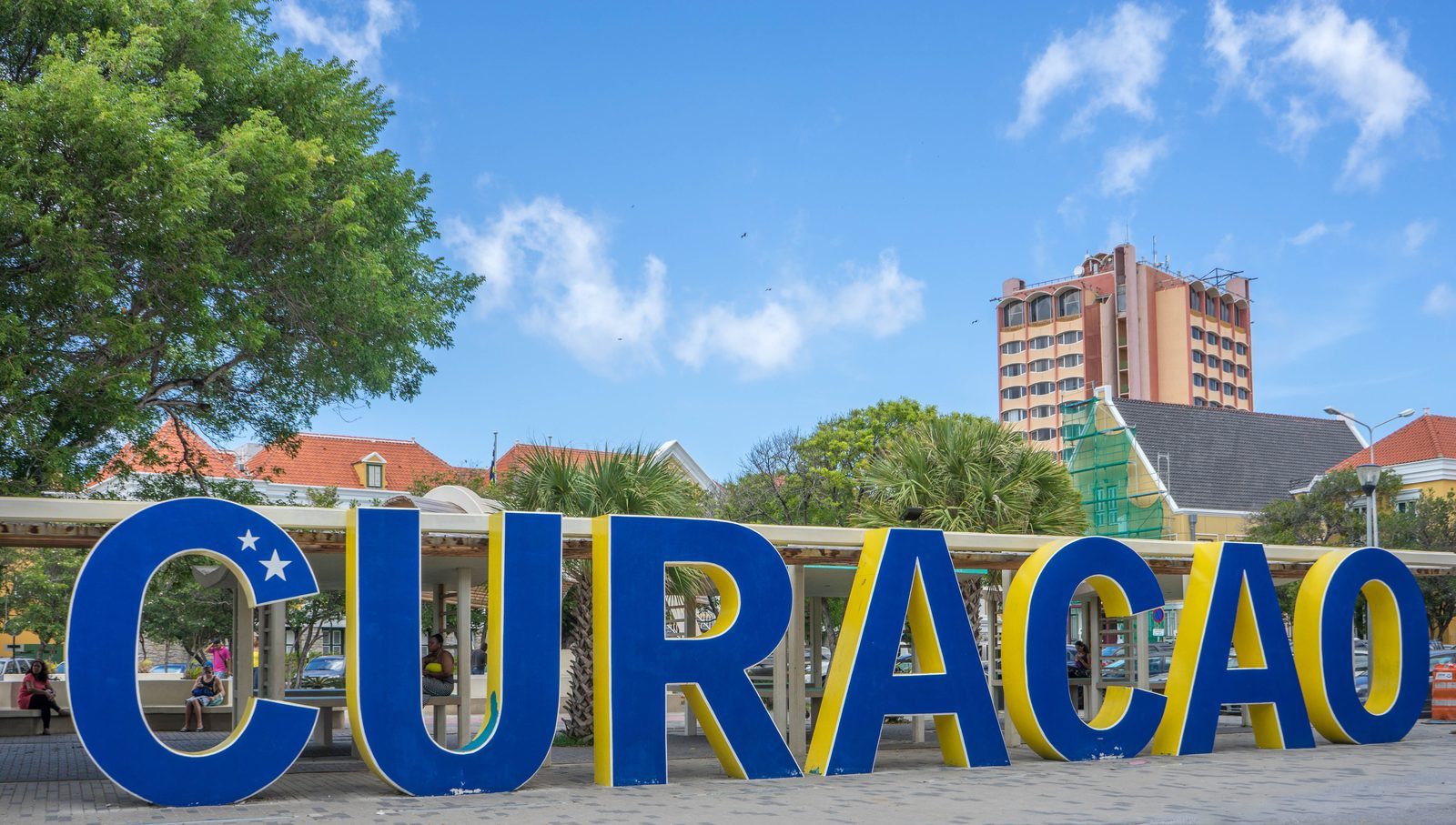
And in Wilhelmina Plein, right in the heart of Punda, you'll find the giant CURAÇAO and DUSHI letters — the island's most-photographed sign. "Dushi" is Papiamentu for sweet, lovely, good — the word locals use for everything from a good meal to a good friend to a good day. No trip to Willemstad is complete without a photo standing next to it.

All three are easy to hit in one walk — and if you're there on a Thursday, you'll be doing it with Punda Vibes happening around you.

See these landmarks on a city tour Book a ride
🚕 Getting around

No Uber in Curaçao? Here's the App That Actually Works

Curaçao Willemstad street architecture
No Uber in Curaçao — here's what actually works. · Photo: Michelle-Maria / Pixabay

If you've searched "Uber Curaçao" or "Lyft Curaçao" before your trip, you've probably already found the answer: neither one operates here, and there's no confirmed date for either to launch. For visitors used to opening an app and getting a ride in minutes, that's a genuinely disorienting gap — and it shows. Search any Curaçao travel forum or Facebook group and you'll find the same complaints over and over: taxis that feel expensive, prices that seem to shift depending on who's driving, and no way to know the fare before you're already in the car.

Here's why that happens. Curaçao taxis don't run on meters. Instead, drivers work from a government-set maximum fare card — which means the price you're quoted can legally vary from driver to driver, and it's easy to end up paying the top of that range without ever knowing there was a lower one. It's not that drivers are doing anything illegal; it's that the entire system was never built around price transparency the way an app-based service is.

That gap is exactly what Kumbai was built to close. Kumbai is a locally based ride app made specifically for Curaçao — not a foreign company parachuting in, but a platform built by and for the island, connecting you directly with local drivers the same way Uber or Lyft would elsewhere. Open the app, see your fare upfront before you book, and get picked up — no negotiating, no guessing, no surprise at the end of the ride.

So if you're planning a Curaçao trip and wondering how you'll get around without Uber: download Kumbai before you land, and you'll have exactly the experience you were expecting to find — just built for this island specifically, instead of missing from it.

Download the Kumbai app Read more FAQs
🇨🇼 Island pride

The Smallest Nation Ever to Reach a World Cup — Curaçao's Blue Wave Story

Curaçao flag and island pride
A 150,000-person island that made it to the world stage. · Photo: Pixabay

The flag of Curaçao — the two stars represent the island of Curaçao and Klein Curaçao. (We couldn't use an actual match photo here due to copyright on official press images — see the real thing on the team's official Instagram.)

In November 2025, something happened that had never happened before in the history of the World Cup: Curaçao — population under 150,000 — qualified for the 2026 FIFA World Cup, topping their CONCACAF qualifying group and becoming the smallest nation by both population and land area ever to reach the tournament.

The team plays under the nickname The Blue Wave, captained by Leandro Bacuna (formerly of Aston Villa, now playing in Türkiye), with his brother Juninho Bacuna alongside him in midfield. Their squad is scattered across nearly a dozen leagues worldwide — Miami to Switzerland to Saudi Arabia — but every one of them plays for the same small island.

Drawn into a brutal Group E alongside Germany, Ecuador, and Ivory Coast, the Blue Wave made history again in their opening match: Livano Comenencia scored Curaçao's first-ever World Cup goal against Germany. Their second match brought an even bigger milestone — a 0-0 draw with Ecuador, Curaçao's first point at a World Cup, with goalkeeper Eloy Room turning in a heroic 15-save performance and being named Man of the Match — the first Curaçaoan player ever to earn that honor at a World Cup.

Even the kits tell the island's story: the away shirt draws its pastel yellow, orange, pink, and turquoise straight from the streets of Punda and Otrobanda in Willemstad, while the home kit's deep blue represents the Caribbean Sea itself, with subtle wave patterns on the sleeves.

Whether Curaçao advances further or not, they've already made history simply by being there — and if you're on the island during a match, you'll feel exactly why they call it a wave: it moves through every street, every bar, every beach, all at once.

Entry requirements

Do You Need a Passport or Visa for Curaçao?

Passport travel visa documents
Most nationalities don't need a visa for Curaçao — but the rules surprise many. · Photo: Pixabay

Yes — a valid passport is required for all visitors entering Curaçao, regardless of nationality. Curaçao is a constituent country within the Kingdom of the Netherlands, but it is not part of the EU's Schengen Area, so your Schengen visa (if you have one) does not automatically cover it.

For most tourists, no separate visa is needed. U.S. citizens, for example, can stay without a visa for up to six months per calendar year for tourism. Citizens of the EU, Canada, and many other countries also enjoy visa-free entry for short tourist stays — but requirements do vary by nationality, so it's worth double-checking with the nearest Dutch/Netherlands embassy or consulate before you book.

On the flight in, you'll typically be handed an Embarkation/Disembarkation (ED) Card to fill out — keep a pen handy. When you leave, be aware of the departure fee charged at the airport for international flights (this is sometimes already included in your ticket price, so check with your airline).

When to go

Best Time to Visit Curaçao: Weather Month by Month
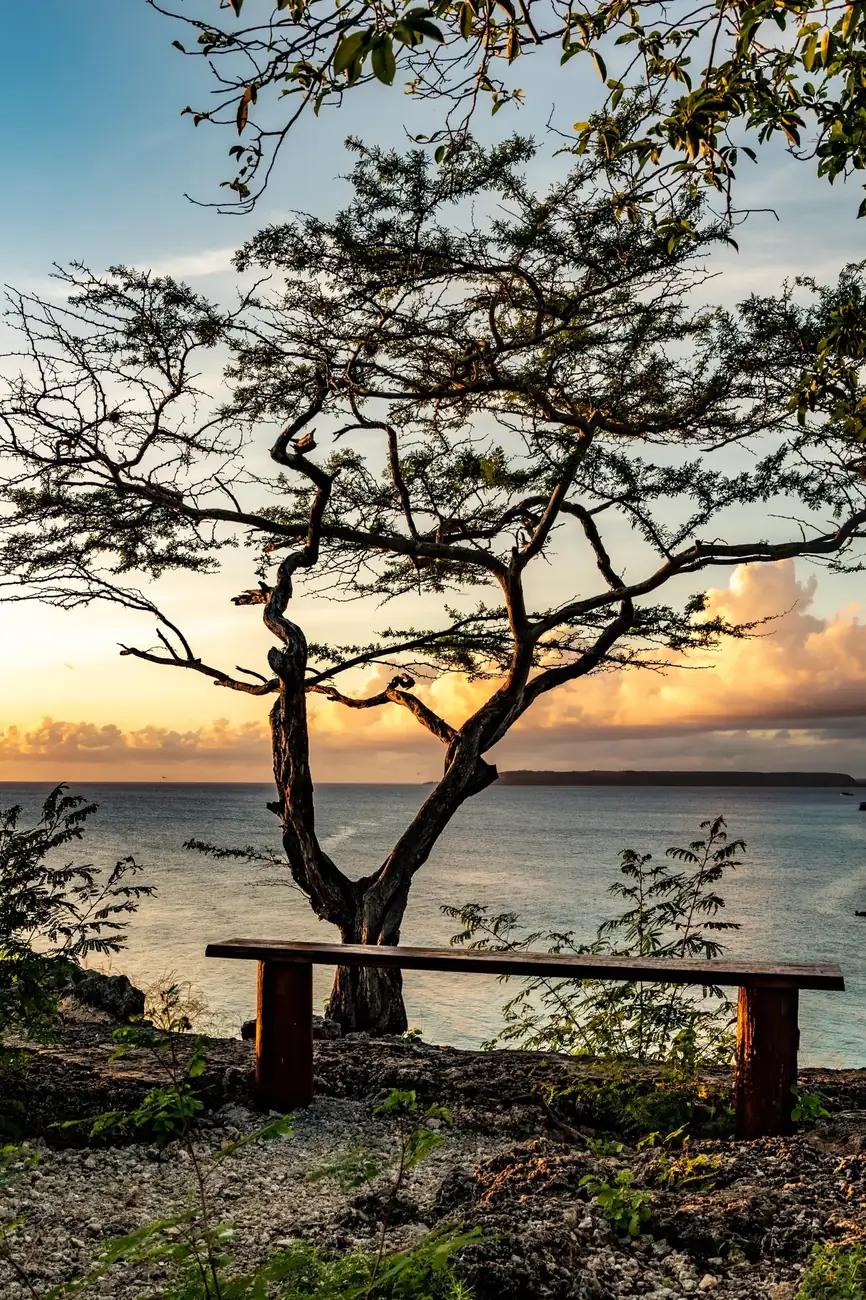
Curaçao Caribbean beach sunset golden hour
Curaçao has over 330 sunny days a year — but not all months are equal. · Photo: Pixabay

Curaçao sits just outside the Atlantic hurricane belt, which is a big reason it's such a popular year-round destination. The island stays warm and sunny almost all year, with average temperatures around 27°C (81°F) and steady trade winds keeping things comfortable even in summer.

October through December are the rainiest months, though showers are typically short — think a 30–60 minute burst of rain, then back to sun. December is also the busiest and most expensive time to visit, thanks to holiday travel and Carnival season kicking off right after New Year's.

If you want great weather without the peak-season crowds and prices, April through June is widely considered the sweet spot — reliably sunny, fewer tourists, and often cheaper flights and hotels.

Safety

Is Curaçao Safe for Tourists?

Curaçao Willemstad colorful buildings safe neighborhood
Willemstad's historic center — generally very safe for tourists. · Photo: Michelle-Maria / Pixabay

Generally, yes. Curaçao is regularly described by travelers and travel guides as one of the safer islands in the Southern Caribbean, with a distinct, non-Americanized Dutch Caribbean culture that many visitors find refreshing. That said, "safe" doesn't mean "no precautions needed" — the same common sense you'd use in any unfamiliar destination applies here.

What to actually watch for: petty theft on beaches (don't leave valuables unattended on the sand or visible in a parked car), and extra caution around isolated nature areas, remote beaches, and informal parking areas used by divers, where thefts have occasionally been reported. Violent crime against tourists is uncommon but not unheard of — standard travel-pair-up-at-night advice applies, especially around nightlife areas.

Driving: road signage and lighting can be inconsistent, especially in rural areas, and roads get slippery fast in rain. Watch for scooters, motorcycles, and — genuinely — goats crossing rural roads. Emergency number for police is 911.

Official safety ratings

🇺🇸 US State Dept
Level 1
Exercise normal precautions
🇨🇦 Canada
Level 1 (Green)
Exercise normal precautions
🇳🇱 Netherlands
Green
Safe to travel

Practical safety tips

  • Don't leave valuables visible in a parked car — theft from rental cars at beaches does happen
  • Use a cross-body bag in crowded areas like the Floating Market and cruise port
  • At night, use a booked taxi rather than walking unfamiliar streets alone — Pietermaai and Jan Thiel are fine; isolated side streets are not
  • Don't accept help at ATMs — machines are straightforward to use without assistance
  • Emergency number: 911 (police, fire, ambulance)

Safe at night: book a Kumbai instead of hailing a street taxi — you see the driver's name and plate before they arrive, and your route is tracked. Download the app →

Money

Money in Curaçao: Currency, Cards, and Tipping
Credit cards and currency payment
USD is accepted almost everywhere in Curaçao — XCG is the local currency since 2024. · Photo: Pixabay

The official currency is the Caribbean Guilder (XCG, symbol Cg), introduced in 2025 to replace the old Netherlands Antillean Guilder (ANG) — if you see "ANG" or "NAf" mentioned in older guides, that's outdated. Here's the good news for U.S. travelers: US dollars are widely accepted almost everywhere on the island, from restaurants to taxis to shops, at a fixed rate of roughly 1.79 XCG per USD. You'll often see prices posted in both currencies.

Credit and debit cards are accepted at most hotels, restaurants, and larger shops, but it's smart to carry some cash (either USD or XCG) for smaller vendors, local markets, and taxis, where card machines aren't always available or reliable.

Money-saving tip: touristy restaurants in central Willemstad tend to charge more. Local canteen-style eateries and markets serve the same Caribbean-Dutch-Latin-African fusion food for noticeably less — and it's usually better.

Tipping guide

ServiceTip
Restaurant10–15% (check if service charge already included)
Taxi / Kumbai10% customary
Tour guide$5–10 per person for a half-day tour
Hotel housekeeping$1–2 per night, left daily

Paying for taxis — the easy way

Most street taxis are cash only (XCG or USD). With Kumbai you can pay by card — useful when you don't want to carry cash or need a receipt for expenses.

Pay by card, get a receipt. Kumbai rides are charged to your card — no cash needed, no tipping guesswork. Download the app →

Getting around

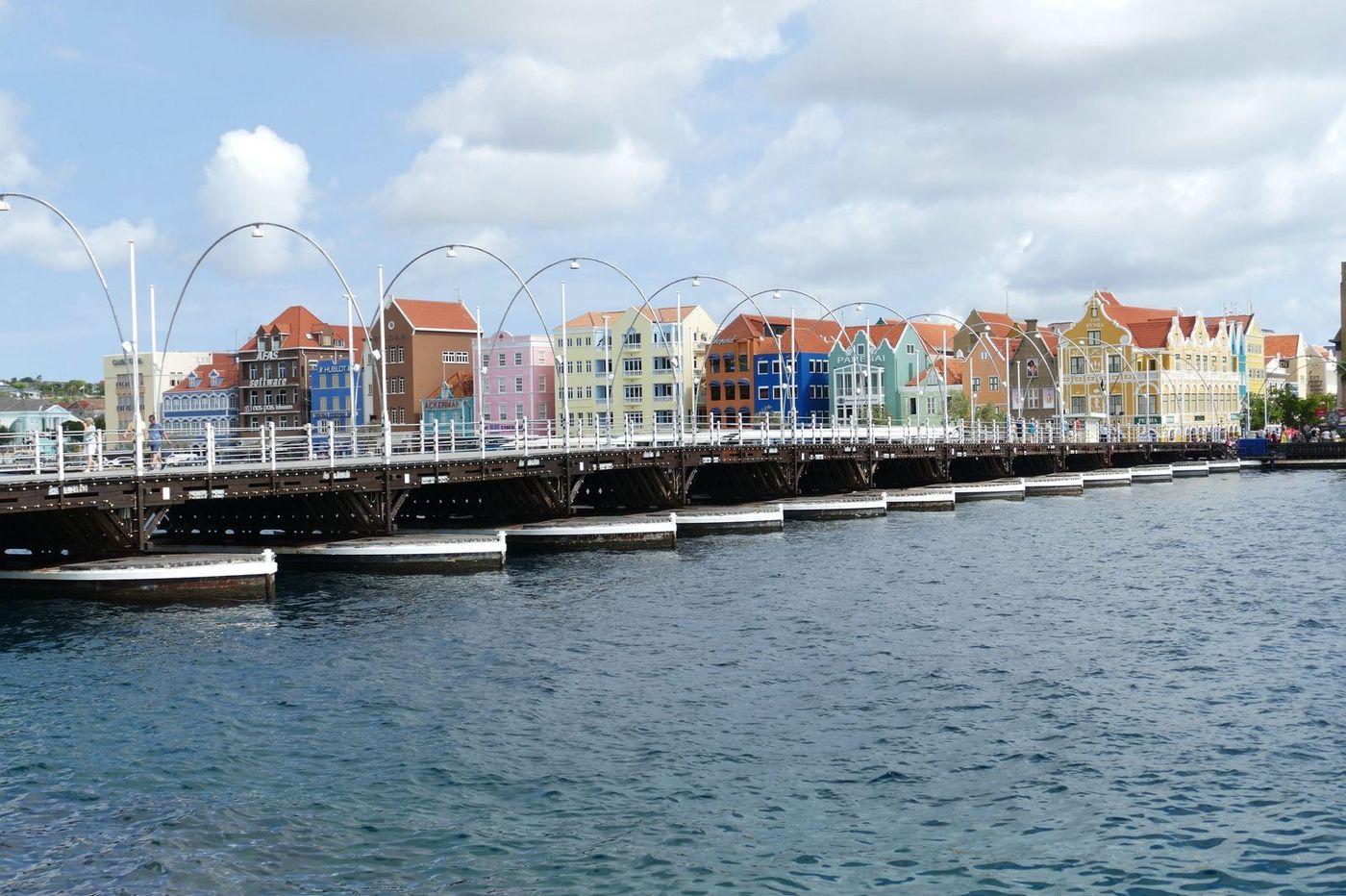
Getting Around Curaçao: Taxi, Rental Car, or Both?
Curaçao landscape and transport
Getting around Curaçao depends on how long you're staying. · Photo: Diego-Vasquez / Pixabay

Curaçao is bigger than most people expect — roughly twice the size of neighboring Aruba — and its best beaches are spread across the western side of the island, well outside Willemstad. Public buses exist but run infrequently and follow limited routes, so they're not a reliable way to explore the island on any kind of schedule.

Your real options

OptionBest forWatch out for
Rental carMulti-stop days, 7+ night staysParking, night driving, cost with insurance
Kumbai appAirport, nights out, single-destination daysBook in advance for remote beaches
Tour with driverFull-day island exploration, groupsLess flexibility on timing
Street taxiShort trips from hotel/resortNo upfront price — always confirm first

The practical middle ground most visitors land on: Kumbai for the airport transfer and nights out (fixed price, confirmed driver, live tracking), and a rental car for 1–2 days of heavy island exploration. You don't have to commit to one option for the whole trip.

Kumbai also covers island tours — so if you want a driver who knows exactly where the flamingos are at Jan Kok or which west-coast beach is uncrowded on a given day, that's already built in.

Download Kumbai before you fly — set up your account from home so your first ride from the airport is already sorted before you land. Fixed upfront price, driver confirmed, no queue at the taxi stand. Get the app →

Local language

Papiamentu 101: Local Words Every Visitor Should Know

Curaçao colorful architecture and local culture
Papiamentu is the language of Curaçao — locals love when visitors try a few words. · Photo: Michelle-Maria / Pixabay

Papiamentu is Curaçao's native Creole language — a genuinely unique blend of Spanish, Portuguese, Dutch, and West African influences, spoken alongside Dutch and English across the island. You won't need it to get by (English and Dutch are both common in tourist areas), but knowing a few words goes a long way with locals.

Kumbai — Hi / hello (any time of day)
Bon Bini — Welcome
Bon Dia — Good morning
Bon Tardi — Good afternoon
Bon Nochi — Good evening/night
Danki — Thank you
Ayó — Goodbye
Dushi — Sweet / lovely (also a term of endearment)

If you speak Spanish, you'll actually recognize a good chunk of Papiamentu vocabulary — it makes picking up a few phrases easier than you'd expect.

Airport

How to Get from Curaçao Airport to Your Hotel (Without the Hassle)

Airport arrivals terminal Hato International Curaçao
Hato International Airport (CUR) — here's what to do the moment you land. · Photo: Pixabay

Curaçao International Airport (CUR, also called Hato) sits about 8 miles (13 km) northwest of Willemstad. The moment you clear arrivals, you'll find an official taxi stand right outside — no need to book anything in advance if you're comfortable walking up and hopping in the next car in line.

Look for the "TX" on the license plate — that's how you confirm a taxi is officially registered. Curaçao taxis don't use meters; instead, drivers carry a government-issued fixed-rate card. Always confirm the price with your driver before you get in, even though the rates are standardized.

Starting in 2026, you'll also see a second type of plate: "RC," with a distinctive orange stripe. The Curaçao government introduced these to license additional drivers on a temporary basis, specifically to keep up with the island's fast-growing tourism numbers. An RC plate is just as legitimate as a TX plate — it simply marks a driver operating under this newer, temporary permit system rather than the traditional long-standing taxi license. Either one means you're in a legally operating vehicle.

What to expect to pay: a ride from the airport to Willemstad or nearby hotel areas typically runs somewhere in the $30–45 USD range for up to 4 passengers, more for further-out areas like Jan Thiel. By government rule, rates go up 25% at night (11:00 PM–6:00 AM) and on Sundays and public holidays, and again for groups larger than 4. A 10% tip is customary.

Want to skip the arrivals-hall guesswork entirely? Booking a private transfer in advance means a driver is waiting for you by name the moment you land — no negotiating, no queue, no surprises on price.

Before you land — Digital Immigration Card

Curaçao requires all visitors to complete a Digital Immigration Card (DI Card) within 7 days before arrival. It's free and takes about 5 minutes at dicardcuracao.com. Watch out for third-party sites that charge a fee — the official one is free. You'll need your flight number, passport details, and accommodation address.

Airport to hotel — real prices

DestinationKumbai priceStreet taxi
Willemstad$40–45$65+
Mambo Beach / Seaquarium$45$60+
Jan Thiel$50–55$75–80
Blue Bay$40$55+
Santa Barbara / Sandals$75$90+

Book your airport ride before you fly. Open the Kumbai app, set your destination, and your driver will be at arrivals when you walk out — price shown upfront, no negotiating at the taxi stand. See all airport prices →

Taxi prices

Curaçao Taxi Prices: What Every Traveler Should Know Before Booking

Taxi cab transportation pricing
No meter in Curaçao taxis — zone-based pricing explained. · Photo: Pixabay

For years, Curaçao taxi pricing ran on an honor system — no meters, no app, just a conversation with the driver. That's changed: the government now sets official maximum fares that cab drivers legally cannot exceed, though they're free to charge less.

The catch: there's still no meter. Drivers use a fixed-rate reference card based on your destination, so it's on you to confirm the fare before the ride starts — the price should never be a surprise when you arrive.

A few things that legitimately affect the price: more than 4 passengers adds roughly 25% to the fare, and by government rule, night rides (11:00 PM–6:00 AM), Sundays, and public holidays also carry a 25% surcharge, and shared rides (splitting a taxi with other travelers heading the same direction) are charged per person and end up noticeably cheaper than booking privately.

Almost all taxis in Curaçao accept cash only — either XCG or USD — so it's worth having some on hand rather than assuming card payment will be available.

Beaches

Top 5 Beaches to Visit in Curaçao (and How to Get There by Taxi)
Kenepa Grandi beach Curaçao — turquoise water, white sand and palm umbrellas
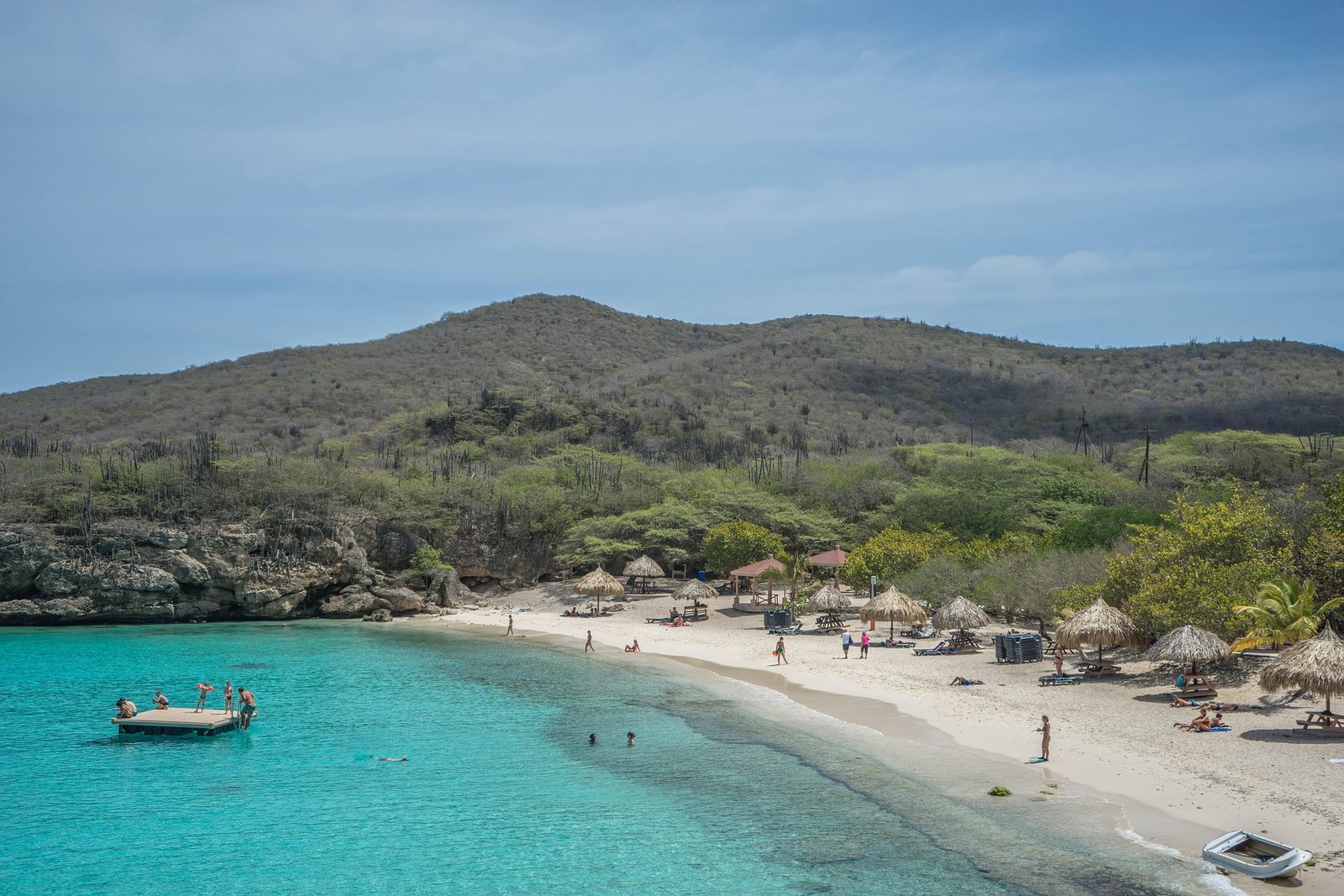
The beaches locals actually go to — not the ones in every tour brochure. · Photo: Michelle-Maria / Pixabay

Curaçao's best beaches are concentrated on the western side of the island — a bit further from Willemstad, but well worth the ride. Here are five that consistently top locals' and travelers' lists:

Cas Abao Beach — calm, clear turquoise water with great snorkeling right off the shore. One of the most popular west-coast beaches, with amenities on site.
Playa Kenepa Grandi (Grote Knip) — dramatic cliffs framing a wide stretch of turquoise water, further out near Westpunt. Remote, spectacular, and often quieter than the beaches closer to town.
Mambo Beach — the liveliest option, close to Willemstad, with beach bars and restaurants right on the sand. No official taxi stand here, but taxis constantly cycle through.
Jan Thiel Beach — a resort-lined bay with calm water, popular for both daytime lounging and nightlife nearby once the sun goes down.
Playa Porto Mari — known for sea turtle sightings close to shore, with soft sand and a relaxed, less crowded feel.
Playa Lagun — narrow cove framed by cliffs, calm crystal water, excellent snorkeling with sea turtles right off the rocks. One of the most photogenic beaches on the island, popular with locals for a reason.
Daaibooi Beach — a hidden gem most tourists miss entirely. Gentle slope into calm, clear water, popular with local families on weekends. No big resort infrastructure — just a beautiful beach.
Playa Piskadó (Playa Grandi) — a working fisherman's beach near Westpunt where wild sea turtles gather at the pier. Best in the morning. Don't touch or feed them.

Kumbai prices to get there

BeachFrom WillemstadDrive time
Mambo Beach / SeaquariumFrom $2010–12 min
Jan Thiel$35–4018–20 min
Blue Bay$35–4015–18 min
Cas Abao$50–6030–35 min
Playa Kenepa Grandi$60–6550–60 min

Planning a beach day? Book your Kumbai in advance — the price is fixed and shown before you confirm. No negotiating at the taxi stand when you're trying to get an early start. Download the app →

Tips

Private vs Shared Taxi in Curaçao – Which One Should You Choose?

Taxi shared private car transportation
Private or shared taxi — the decision depends on your group size and schedule. · Photo: Pixabay

Both options exist on the island, and the right one depends on your group size, budget, and how much you value privacy over price.

Shared taxis are common for popular routes like beach trips — you pay a per-person rate, and the driver picks up other travelers heading the same direction. It's noticeably cheaper, especially if you're traveling solo or as a couple, but you'll want to agree on the per-person price upfront and be flexible about timing, since the driver may wait to fill more seats.

Private taxis cost more but you set the schedule — no waiting for other passengers, no stops you didn't ask for. This is generally the better call for airport transfers (especially with luggage), families with young kids, or anytime you're on a tight schedule.

Groups of 4+ often find private works out to a similar per-person cost as shared anyway, once you factor in the 25% surcharge shared rides can add per extra passenger beyond the base group.

🏝️ Day Trips

Klein Curaçao Day Trip — Everything You Need to Know

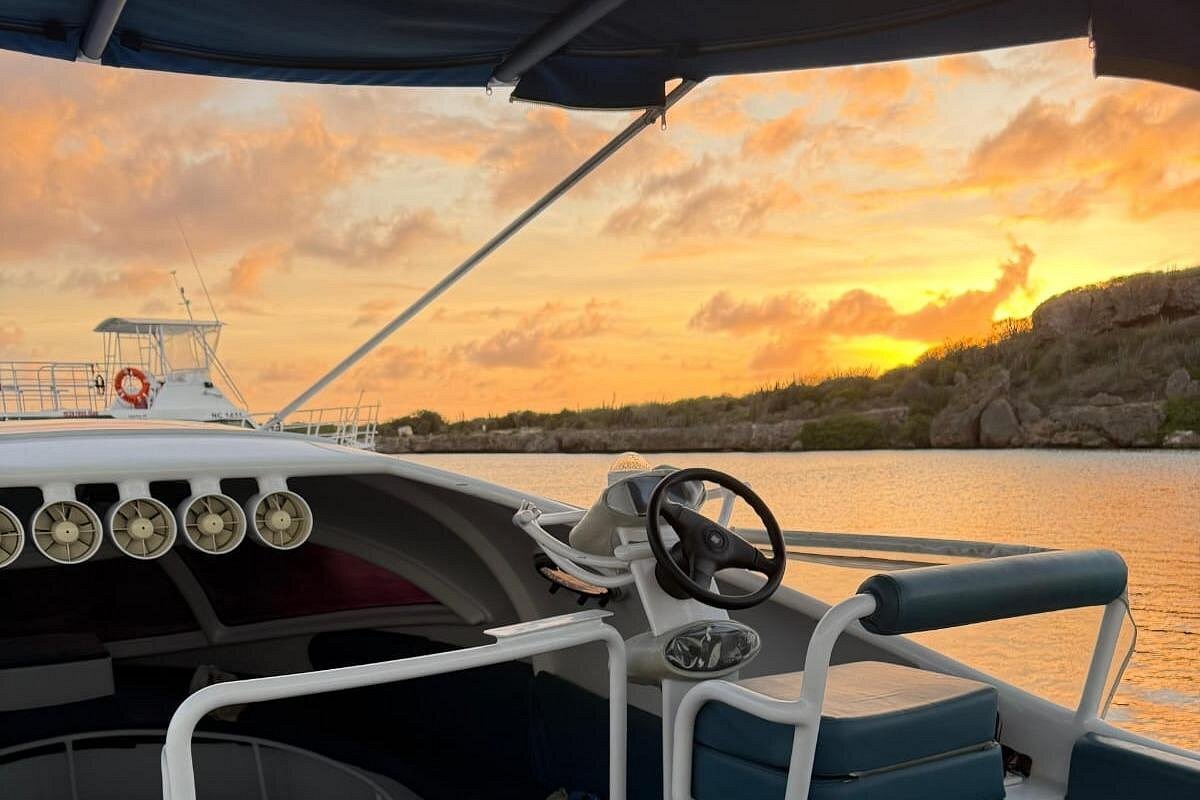
Klein Curaçao boat trip at sunset — Curaçao day trip
Klein Curaçao is a 2–2.5 hour boat ride from the main island — plan for a full day.

Klein Curaçao is a small, completely uninhabited island roughly 6.5 miles southeast of Curaçao's main coast. No hotels, no restaurants, no permanent residents — just a long stretch of powder-white sand, a rusting lighthouse, clear Caribbean water, and marine life that's noticeably more abundant than what you find closer to shore. It's consistently rated the #1 day trip from Curaçao, and if the weather cooperates, it's easy to see why.

What to expect

The crossing takes 2–2.5 hours each way by boat, depending on sea conditions. You'll spend roughly 4–5 hours on the island. The beach is spectacular — long, flat, and almost entirely empty. The water is crystal clear with visibility often exceeding 30 meters. Sea turtles nest here, and you'll commonly spot them while snorkeling without any effort.

The island has one structure: a decommissioned lighthouse, rebuilt after the original 1850 version was destroyed by fire. It's photogenic from the outside but usually inaccessible inside. Near it you'll find the ruins of a former quarantine station — ships carrying sick passengers would anchor here rather than bring illness to the main island.

Practical details

⏰ Departure time: boats typically leave at 08:00 and return by early evening. It's a full-day commitment — plan accordingly.
☀️ What to bring: high-SPF sunscreen (the island has almost no shade), a hat, snorkel gear (usually provided by tour operators), water and food (there's nothing for sale on the island), and a waterproof phone case.
🌊 Sea conditions: trips are weather-dependent. If conditions are rough, operators will reschedule — the crossing can be choppy even on clear days. Pack seasickness tablets if you're prone.
🐢 Turtles: they nest here. Don't approach them, don't touch them, don't stand between a turtle and the water. Give them space and they'll go about their business right beside you.

Who runs trips to Klein Curaçao?

On Kumbai, Dream Catchers Sports Fishing & Boat Trips is our only operator running private charters to Klein Curaçao. It's a private charter — the boat is yours for the day, not a shared group tour. That means you control the schedule, the pace, and who's on board.

Book a private Klein Curaçao charter with Dream Catchers. Fixed price, private vessel, full day on the island. See availability and pricing →

Book Klein Curaçao trip Browse all experiences
🗺️ Willemstad

Willemstad Walking Tour — Self-Guided UNESCO City Guide

Willemstad Handelskade colorful Dutch colonial buildings UNESCO heritage Curaçao
The Handelskade — Willemstad's most photographed street, a UNESCO World Heritage Site.

Willemstad was designated a UNESCO World Heritage Site in 1997. The old town is split by the St. Anna Bay into two historic districts: Punda (the original Dutch colonial quarter) and Otrobanda (literally "the other side"). Together they form one of the most intact examples of Dutch colonial Caribbean architecture in the world — and one of the most photogenic city walks anywhere in the region.

The whole self-guided route below takes 2–3 hours at a relaxed pace. Start in Punda, cross the bridge, loop through Otrobanda, and finish with a cold drink watching the harbor.

The route

1
Handelskade Waterfront — start here for the famous row of pastel-painted Dutch colonial buildings reflected in St. Anna Bay. Best light in the morning. Cross the floating pedestrian walkway.
2
Queen Emma Bridge — the "Swinging Old Lady," built 1888. It literally swings open on the water to let ships through. Walk across it, then walk back when it closes again.
3
Fort Amsterdam — built in 1635, it's the oldest and best-preserved Dutch fort in the Caribbean and home to the Governor's Palace. The church inside still has an English cannonball lodged in its wall from a 1804 naval attack.
4
Wilhelmina Plein & the CURAÇAO sign — the giant block letters in the square. Every visitor takes a photo. Grab a pastechi (fried pastry with cheese or meat filling) from one of the street vendors nearby.
5
Floating Market — Venezuelan trading boats moored along the Sha Caprileskade selling fresh fish, fruit, and spices directly from the vessel. Open daily 6AM–7PM. Cash only at most stalls.
6
Kura Hulanda Museum — a serious, important museum on the history of the trans-Atlantic slave trade and its role in Curaçao's development. Takes 1.5–2 hours to do properly. Set in a beautifully restored 18th-century neighborhood in Otrobanda.
7
Pietermaai District — walk east along the waterfront to Pietermaai, a former residential neighborhood turned into Curaçao's most atmospheric bar and restaurant strip. Renovated colonial mansions housing cocktail bars and restaurants — worth seeing even if you're not staying for drinks.

If it's a Thursday

Do this walk in the late afternoon and stay for Punda Vibes — the free weekly street festival that fills Punda with live music, dancers, food, and fireworks at 8:15 PM. It starts at 6 PM and the whole route above is right in the middle of it.

Heading back to your hotel after the walk? Book a Kumbai — parking in Punda is limited and navigating back at night in an unfamiliar city is one less thing you want to think about. Download the app →

Book a guided city tour Download Kumbai
👨‍👩‍👧 Family Travel

Curaçao with Kids — Complete Family Travel Guide 2026

Kids looking through glass bottom boat at reef below — family activity Curaçao
The Snorkel Jungle glass-bottom boat — kids can watch the reef without getting in the water.

Curaçao works exceptionally well for families. The water is calm on the south coast (the protected Caribbean side), the island is outside the hurricane belt so weather is reliable year-round, and the average stay is now 7.8 nights — long enough to slow down and actually relax rather than rushing between sights.

The island's tourism infrastructure has grown quickly — more family-friendly beaches, better amenities, and activities designed for younger visitors. Here's what actually works with kids.

Best beaches for kids

Mambo Beach / Seaquarium Beach — calm water, lifeguards, beach bars, sun loungers, watersports. Close to Willemstad — easy Kumbai ride.
Cas Abao — lagoon-like calm water, good snorkeling off the rocks even for beginners, full amenities. The clearest family beach on the island.
Jan Thiel — protected bay, calm water, resort facilities nearby, and restaurants on the beach. Aqua World waterpark is right here.
Blue Bay Beach — a resort beach that's also open to the public. Calm and clean, good facilities, easy Kumbai access at $40 from the airport.

Best activities for kids

🚤 Snorkel Jungle glass-bottom boat tour — kids who aren't ready to snorkel can watch the reef through the viewing pool on the boat. Kids 0–3 ride free, kids 4–10 are half price. The glass-bottom viewing pool is the highlight for young children. Book here →
🐬 Dolphin Academy — swim-with-dolphins experiences in a natural saltwater lagoon at the Seaquarium. Book well in advance. Located next to Mambo Beach.
🦎 Flamingo spotting at Jan Kok — free, no entrance fee, just park along the road and watch dozens of wild flamingos in the salt pans. Best at sunrise or sunset. Kids love it.
🐢 Sea turtles at Playa Piskadó — wild sea turtles gather near the fishing pier at this small beach near Westpunt. Best in the morning. Free to visit.
🗺️ Willemstad city walk — the colorful buildings and the swinging bridge are genuinely fascinating for kids. End with an ice cream at Cielo Gelato on the Punda side.

Getting around with kids

Travelling with a car seat or stroller? Book your airport ride in advance via Kumbai and note your requirements. For beach days, Kumbai rides are simpler than managing a rental car with young children — you don't need to find parking, load/unload car seats, or navigate unfamiliar roads when your kids are tired and sandy.

Travelling with young children? Book Kumbai and note your car seat needs. Fixed price, confirmed driver — no airport taxi stress when you're juggling luggage and little ones. Download the app →

Book family boat tour Browse all experiences
🎭 Events

Curaçao Carnival 2027 — Complete Visitor Guide

Curaçao Carnival Willemstad street festival parade 2027
Willemstad during Carnival — the island's biggest annual celebration.

Curaçao Carnival is one of the Caribbean's most vibrant annual celebrations — a weeks-long festival of parades, music, dancing, and color that transforms Willemstad every February and March. Unlike the more internationally famous Carnivals in Trinidad or Rio, Curaçao's feels genuinely local — rooted in the island's own Afro-Caribbean and Dutch traditions, with Tumba and Soca music rather than generic Caribbean pop.

When is Carnival 2027?

Curaçao Carnival 2027 runs from mid-January through early March 2027, ending on the Tuesday before Ash Wednesday. The main Grand Parade (Gran Marcha) takes place on the final Sunday, filling the streets of Willemstad with elaborate floats and costumed dancers. The festival officially closes on the night of Shrove Tuesday (Mardi Gras) with the burning of King Momo, a symbolic figure representing the excesses of Carnival.

What happens during Carnival

Tumba Festival — the musical heart of Curaçao Carnival. Local artists compete to write the official Carnival anthem (Tumba) for the year. One of the most important cultural events on the island calendar.
Children's Parade — usually held 2–3 weeks before the main parade. Schools and youth groups design elaborate costumes and float displays. Genuinely joyful and one of the most local-feeling events of the whole season.
Grand Parade (Gran Marcha) — the main event. Floats, dancers in elaborate feathered costumes, live music trucks, and thousands of people lining the parade route through Willemstad. Book your position early — the waterfront fills up hours in advance.
Burning of King Momo — Shrove Tuesday night. An effigy of King Momo (representing Carnival itself) is ceremonially burned, marking the end of the season. Locals line the streets for this.

Practical tips for visitors

  • Book accommodation 3–4 months in advance. Hotels fill up fast, especially for the Grand Parade weekend. Prices spike significantly.
  • Book your taxi in advance. During Carnival, street taxi demand surges and street prices rise sharply. Kumbai price is fixed regardless of event demand — book your rides ahead.
  • Wear comfortable shoes. Parade routes are long and you'll be on your feet for hours. Closed-toe shoes that you don't mind getting dirty.
  • Cash for street food. Food vendors and stalls at parade events are almost universally cash only. XCG or USD both work.
  • Parking in Willemstad becomes extremely difficult during parade events. Use Kumbai — much easier than driving.

Visiting during Carnival? Book your Kumbai rides in advance — fixed price, no surge pricing, confirmed driver. Street taxis triple their rates during major events. Download the app →

Download Kumbai Nightlife guide
📋 First-Time Visitors

15 Things to Know Before Visiting Curaçao in 2026

Curaçao local life and travel tips for first-time visitors 2026
Curaçao rewards visitors who come prepared — here's what the guides don't always tell you.

Curaçao is one of the most interesting islands in the Caribbean — and one of the most misunderstood. Here are 15 things first-time visitors consistently wish they'd known before arriving.

1
There is no Uber. Uber doesn't operate in Curaçao and has no confirmed launch date. Download Kumbai before you fly — it's the local equivalent with upfront pricing and a confirmed driver.
2
Complete your Digital Immigration Card before you fly. Required within 7 days of arrival. Free at dicardcuracao.com. Don't pay third-party sites that charge for it.
3
The currency changed in 2025. The Caribbean Guilder (XCG) replaced the Netherlands Antillean Guilder (ANG). USD is accepted almost everywhere. You'll often get change in XCG even if you pay in USD.
4
Taxis don't use meters. They work from government-set zone fares. Always confirm the price before you get in. Kumbai shows you the fixed price upfront in the app.
5
The island is bigger than it looks. Curaçao is twice the size of Aruba. The best west-coast beaches are 30–60 minutes from Willemstad — factor in travel time when planning your days.
6
Local restaurants are cash only. Spots like Kas di Piskado Rondu don't take cards. Carry XCG or USD for local food — it's almost always better and cheaper than the tourist-facing restaurants anyway.
7
Thursday is Punda Vibes night. A free weekly street festival in the historic center — live music, dancers, street food, and fireworks at 8:15 PM. Plan your schedule around it if you're in Willemstad mid-week.
8
It's outside the hurricane belt. Curaçao sits well south of the main Caribbean hurricane zone, making it a safe year-round destination. The weather varies but the risk of a hurricane ruining your trip is very low.
9
Most nationalities don't need a visa. US, Canadian, EU, and most other passports enter visa-free for tourism stays. Always double-check with a Dutch embassy for your specific nationality.
10
Klein Curaçao is a full-day trip, not a half-day. The crossing takes 2–2.5 hours each way. If you want to go, plan a whole day and book in advance. Only Dream Catchers currently runs private charters there on Kumbai.
11
Sea turtles are wild, not a show. At Playa Piskadó and Klein Curaçao, wild sea turtles are common. Don't touch them, don't feed them, and don't block their path to the water. The experience is better when you respect them.
12
Papiamentu is the local language. English and Dutch are widely spoken in tourist areas, but learning a few Papiamentu phrases ("Bon bini" = welcome, "Danki" = thank you, "Dushi" = lovely/sweet) goes a long way with locals.
13
Sunscreen matters — a lot. Curaçao is just 12° north of the equator. The UV index is extreme. Apply SPF 30+ before leaving your room, reapply after swimming, and wear a hat if you're spending long time at remote beaches with little shade.
14
Curaçao qualified for the 2026 FIFA World Cup. The first time ever for this island of 150,000 people. If you're visiting in 2026 during a match, the island-wide energy is something to experience.
15
The water on the south coast is always calm. Curaçao's southern shore is protected from the Atlantic swell — the water is flat, warm, and clear almost every day. The north coast (Shete Boka, Christoffel area) is wild and windswept — great to visit, not for swimming.

One more thing: download Kumbai before you fly. Set up your account from home so your airport transfer is sorted before you land. Upfront price, confirmed driver, no arrivals-hall guesswork. Get the app →

Download Kumbai Browse experiences
📸 Photoshoots & Floating Experiences

Dushi Views — Don't Leave Curaçao Without This Photo

📸🛶🌸

Clear Kayak · Floating Tray · Bamboo Raft · Flower Bed · City Shoot · Food Tour

Free cocktails & professional drone photography included in every experience

📸 40+ Photos & Videos 🍹 Free Cocktails Included 🚁 Drone Footage ✂️ Professional Edits 🎂 Celebrations Welcome

Dushi Views is one of those experiences that people post about from Curaçao and get asked about immediately. Clear kayak photoshoots on crystal-clear water, bamboo raft rides with free cocktails, floating tray dining with a private chef, floating flower beds, professional drone shots over Willemstad — nine different ways to create something you'll actually want to keep.

Every experience includes professional photography (40+ photos and videos), drone footage, and edited content delivered to your phone. Raw photos arrive the next morning, edits within 2–4 days. The most popular booking is the Couples Clear Kayak Shoot ($250) — both of you in a transparent kayak above the Caribbean Sea, photographer and drone overhead.

All 9 experiences and prices

Clear Kayak — Solo$175/person
Clear Kayak — Couples ⭐$250/couple
Clear Kayak — Group (3+)$160/person
Floating Tray — Live Cooking$175/person
Bamboo Raft + Free Cocktails$160/person
Floating Flower Bed$175/person
Dushi Boat Photoshoot$160/person
Willemstad City Shoot$150/person
City Food Tour$85/person

Getting there: Meeting point confirmed after booking via WhatsApp. Book a Kumbai — your driver gets you to the exact spot, fixed price upfront. Download Kumbai →

📸 See all 9 experiences Book Couples Kayak ($250)
🚴 Water Sports

Water Bikes Curaçao — One of the Island's Most Unique Experiences

🚴🐢

Pedal above crystal-clear water · Spot wild sea turtles · Playa Piskadó, Westpunt

🐢 Sea Turtle Sightings ★★★★★ 5.0 TripAdvisor 👨‍👩‍👧 Beginner Friendly 🔒 Free Cancellation 🏡 Local & Family Owned

Water Bikes Curaçao is one of the island's genuinely unique experiences — pedal-powered watercraft that lift you above the surface of the Caribbean Sea at Playa Piskadó near Westpunt. No motor, no noise, just crystal-clear water below you and the Curaçao coastline stretching out in every direction. It consistently rates 5.0 stars on both TripAdvisor and Google, and it's easy to see why.

Playa Piskadó is also one of the best spots on the island to encounter wild sea turtles — they gather near the fishing pier daily, and on the water bike you get a vantage point that most visitors never experience. Guides know the routes and the spots, and help position you for the best view without disturbing the wildlife.

Tour options and prices

Crystal Water Ride — 30 min · beginner
$65 adult · $50 kids
Curaçao Ocean Adventure — 1 hr · most popular ⭐
$85 adult · $60 kids
Couples Crystal Escape — 30 min · private
$149 / couple
Couples Ocean Escape — 1 hr · private
$199 / couple
Golden Hour Escape — Saturday sunset · private
$99 / person

Getting there: Playa Piskadó is ~55 minutes from Willemstad — book a Kumbai and tell the driver the beach name. Fixed price upfront, no navigation stress. Download Kumbai →

🚴 See all tours & book Book Ocean Adventure ($85)
🆕 What's New

What's New in Curaçao for 2026: Hotels, Flights & the BlueSeas Festival

Airplane arriving in Curaçao, new direct flight routes 2026

Curaçao has had a quiet few years of steady growth, and 2026 is the year it's showing. A wave of new hotel openings, several brand-new nonstop flight routes, and an expanding events calendar all landed around the same time — which means more of the island is newly worth planning around, whether you're picking a hotel, checking flight options, or timing a trip to catch something extra.

New hotels opening in 2026

The Pyrmont Curaçao is the island's first Marriott all-inclusive, an adults-only Autograph Collection property going up on Penstraat with 300 ocean-view rooms, eight restaurants, five bars, an infinity pool, an on-site dive center, and a 250-meter oceanfront boardwalk. It's expected to open in Q2 2026, though — as with most large resort builds — the exact date has moved around.

TUI BLUE Curaçao is set to open in September 2026 with 300 rooms and a strong focus on sustainable tourism and diving. A few existing favorites are also refreshing: Scuba Lodge Lagun Beach is transforming into a nature-focused diver's retreat, Avila Beach Hotel added new adults-only oceanfront rooms, and Coral Estate Luxury Resort is adding two new villas.

New nonstop flights

Getting here got easier from several new places in 2026. American Airlines launched the first-ever direct route from Chicago (ORD) — a first for the US Midwest — while Air Canada and WestJet expanded seasonal and year-round service from Toronto (YYZ) and Montreal (YUL). New direct connections from Belo Horizonte, Lima, and Bogotá also opened up South American routes that didn't exist before.

Landing on a new route? Whichever gate you come through, book a Kumbai before you land — fixed price upfront, confirmed driver, no guessing at the taxi stand. See airport taxi info →

Curaçao BlueSeas Festival — April 3–4, 2026

Now in its 8th edition, the Curaçao BlueSeas Festival brings two days of blues music to the Pietermaai District, with an opening concert the evening before at Kura Hulanda Village. The 2026 lineup includes Samantha Fish, Cedric Burnside, Jackie Venson, Kirk Fletcher, and six more acts — and it lands right around Easter weekend, so it pairs naturally with a broader Pietermaai night out.

Pietermaai is the same district covered in our nightlife guide below — worth bookmarking if you're planning a festival weekend.

Diving recognition

Curaçao's diving scene also picked up recognition in 2025, earning praise across 13 categories in Scuba Diving Magazine's Readers' Choice Awards — one more reason divers keep returning, on top of the shore-accessible reefs the island is already known for.

🏨 Plan a hotel transfer See Pietermaai nightlife Book a dive
🥾 New Adventures

Christoffel National Park in 2026: Rock Climbing, Horseback Riding & Full Moon Hikes

Off-road adventure terrain near Christoffel National Park, Curaçao

Christoffel National Park, on the island's rugged northwest side, has always been a solid half-day trip for hikers willing to tackle Mount Christoffel — Curaçao's highest point at 375 meters, with views stretching across the whole island and, on a clear day, to Venezuela. In 2026 the park added a few new ways to experience it beyond the standard sunrise hike.

What's new

The park now offers private guided rock climbing tours on its limestone formations, guided horseback riding through the scrubland and dry forest that covers most of the park, and full moon hiking tours that time the Christoffel summit trail to the lunar calendar — a cooler, quieter alternative to the usual pre-dawn sunrise start.

If you're island-hopping between adventure activities, it's worth pairing with two other 2026 additions on the same west side of the island: Blue Finn Charters' new Jeep Beach Hopping tour, which reaches 30+ beaches that are otherwise hard to get to, and the Lionfish Caribbean Cooperative, which lets visiting divers join reef conservation dives that actively cull invasive lionfish — a genuinely different kind of dive if you're already certified.

Getting there

Christoffel National Park sits roughly 40–50 minutes from Willemstad and most resort areas, with no public transit reaching the entrance — a private ride or organized tour is the practical way in either direction, especially for a pre-dawn or full-moon start when nothing else is running.

Getting there: Book a Kumbai for the drive out — fixed price upfront, no guessing at a resort taxi stand at 4 AM. Download Kumbai →

🌴 Browse outdoor tours See diving options

Ready to explore Curaçao?

Book a taxi, airport transfer, island tour, or diving experience — all in one platform.

📱 Download Kumbai 🌴 Browse Experiences

Keep exploring Curaçao

Continue planning with connected destination, transfer, and local guide pages. Every public Kumbai page is reachable through these topic hubs.