Read the Full Guides Below
The Best Snorkeling and Dive Spots in Curaçao
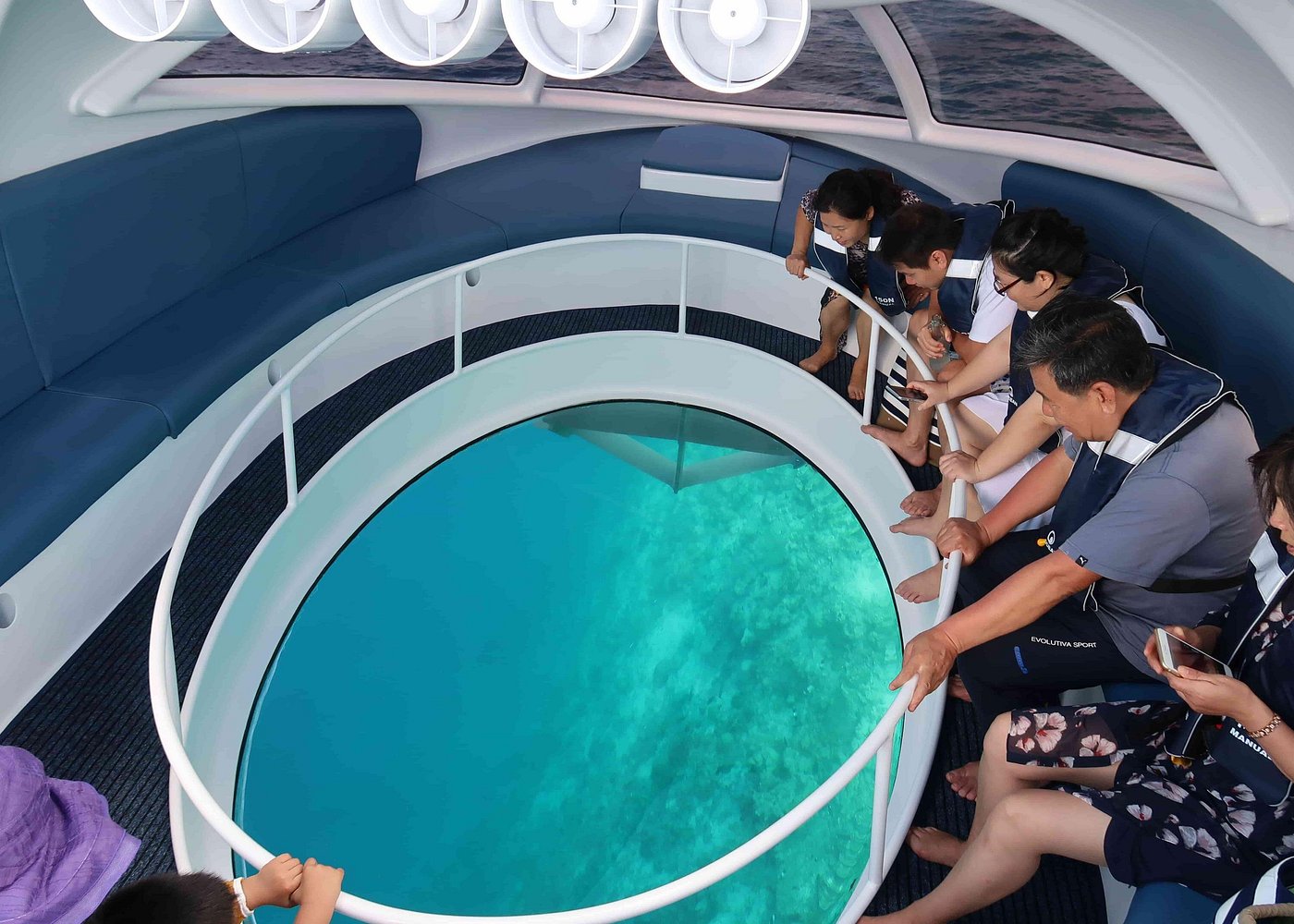
Curaçao has over 70 recognized dive and snorkel sites, and. Unusually for the Caribbean — the vast majority are reachable straight from the shore, no boat required. Water stays around 27°C (81°F) year-round with visibility regularly exceeding 30 meters.
Bring water shoes. The sand near the water's edge at several of these spots has coral debris. The best overall diving conditions run April through November, though the water is genuinely swimmable and clear nearly year-round.
Most of these spots sit on the island's west side, well outside walking range of Willemstad. Exactly the kind of day a booked tour or private driver makes far easier than trying to string together on your own.
Taxi App or Rental Car in Curaçao? Here's How to Actually Decide
This is the single most common transportation question visitors ask before landing — and the honest answer is "it depends on what kind of trip you're planning," not a one-size-fits-all pick. Here's how to actually think it through.
Rent a car if:you want full control over your schedule, plan to hit multiple far-flung spots in one day (Christoffel Park in the morning, a west-coast beach in the afternoon), and don't mind driving on unfamiliar roads. Rental cars on the island are generally well-reviewed and give total flexibility. But you're also responsible for navigation, parking, fuel, and returning the car on time, and it isn't cheap once you add insurance.
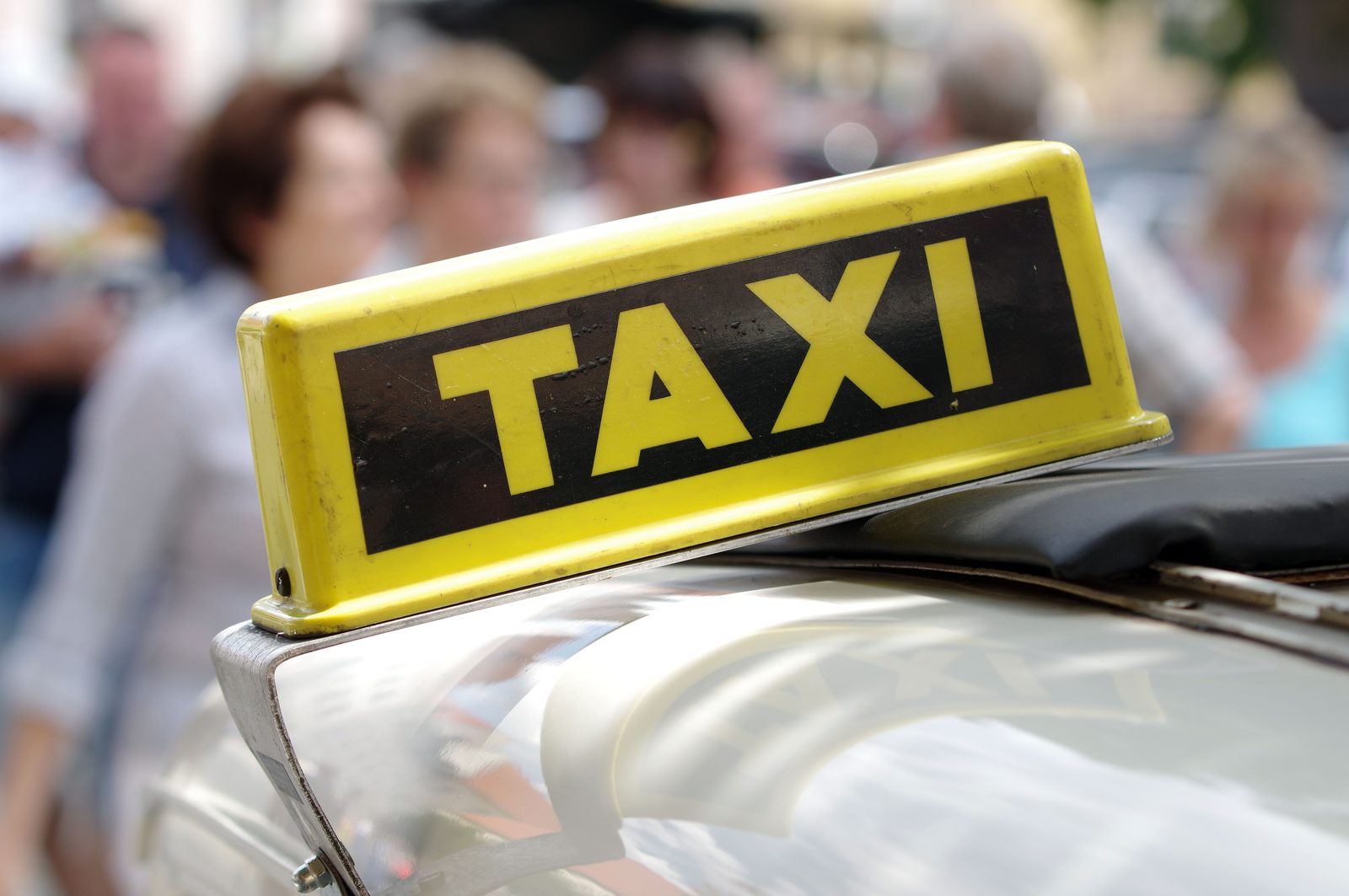
Book a ride or tour app if:you'd rather not navigate unfamiliar roads on vacation, you're traveling solo or without a local driver's license you're comfortable using abroad, or you just want to enjoy the scenery instead of watching for turns. The catch is that not all ride apps on the island are built the same way.
The thing nobody tells you about ride-hailing on a smaller island:some apps simply broadcast your request to whichever driver happens to be free, with no real accountability if nobody picks it up. Which is exactly why "no driver showed" and "got stranded waiting" are such common complaints in traveler reviews of taxi apps here. Before you rely on any app for something time-sensitive (an early flight, a late-night pickup), it's worth checking recent reviews specifically for reliability, not just price.
This is the exact gap Kumbai is built around: a confirmed driver and live tracking once you book, so you're not left guessing whether your ride is actually coming. And because Kumbai covers rides, tours, and nightlife in one app, you're not switching between three different services depending on what kind of day you're having.
The honest middle ground many visitors land on:a rental car for a couple of the big island-exploring days (Christoffel, the west-coast beaches), and a booked ride or tour for the airport transfer, nights out, and anything where you'd rather not worry about parking or driving after dark. You don't have to pick just one for the whole trip.
Punda Vibes: Curaçao's Best Free Night Out, Every Thursday
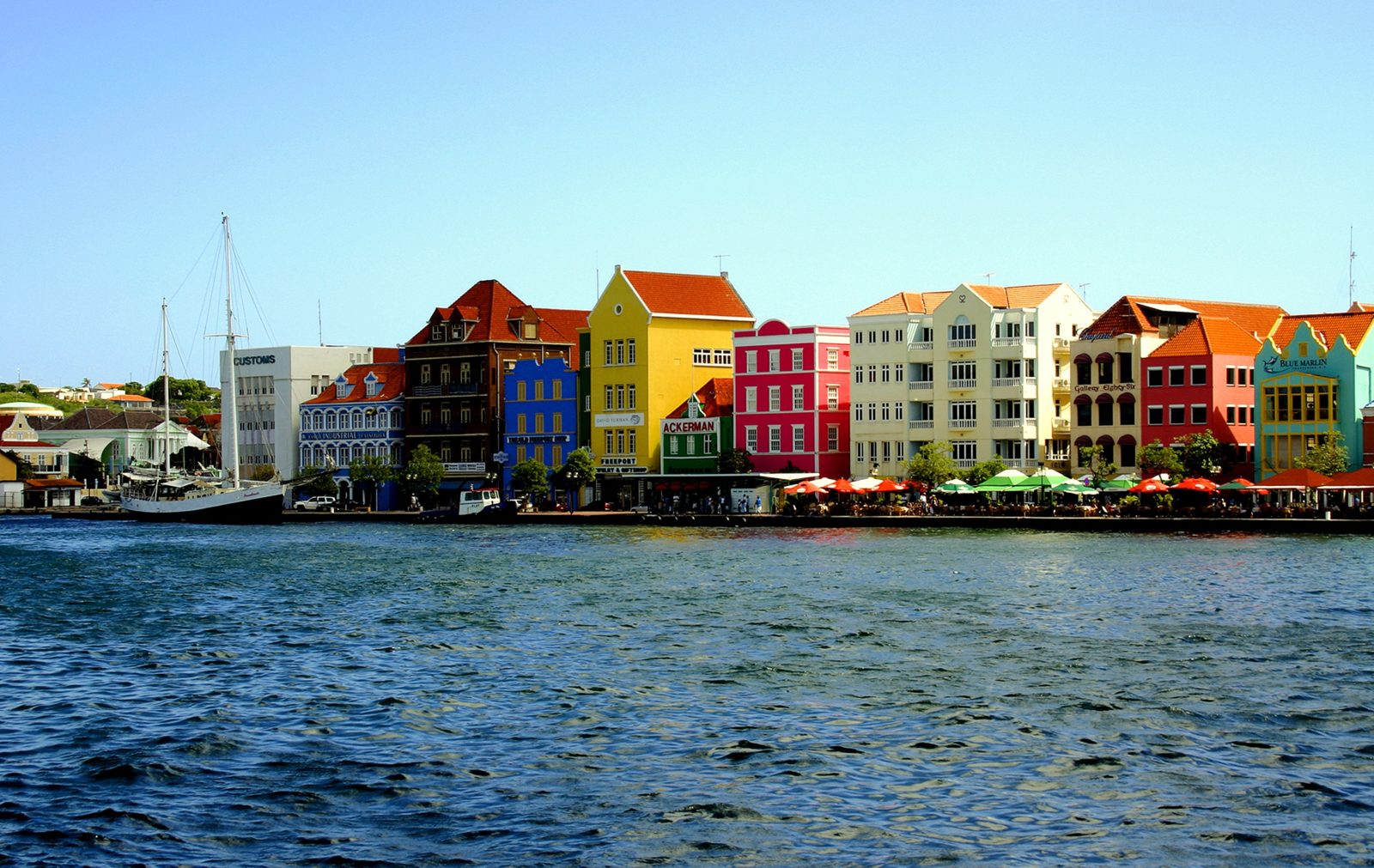
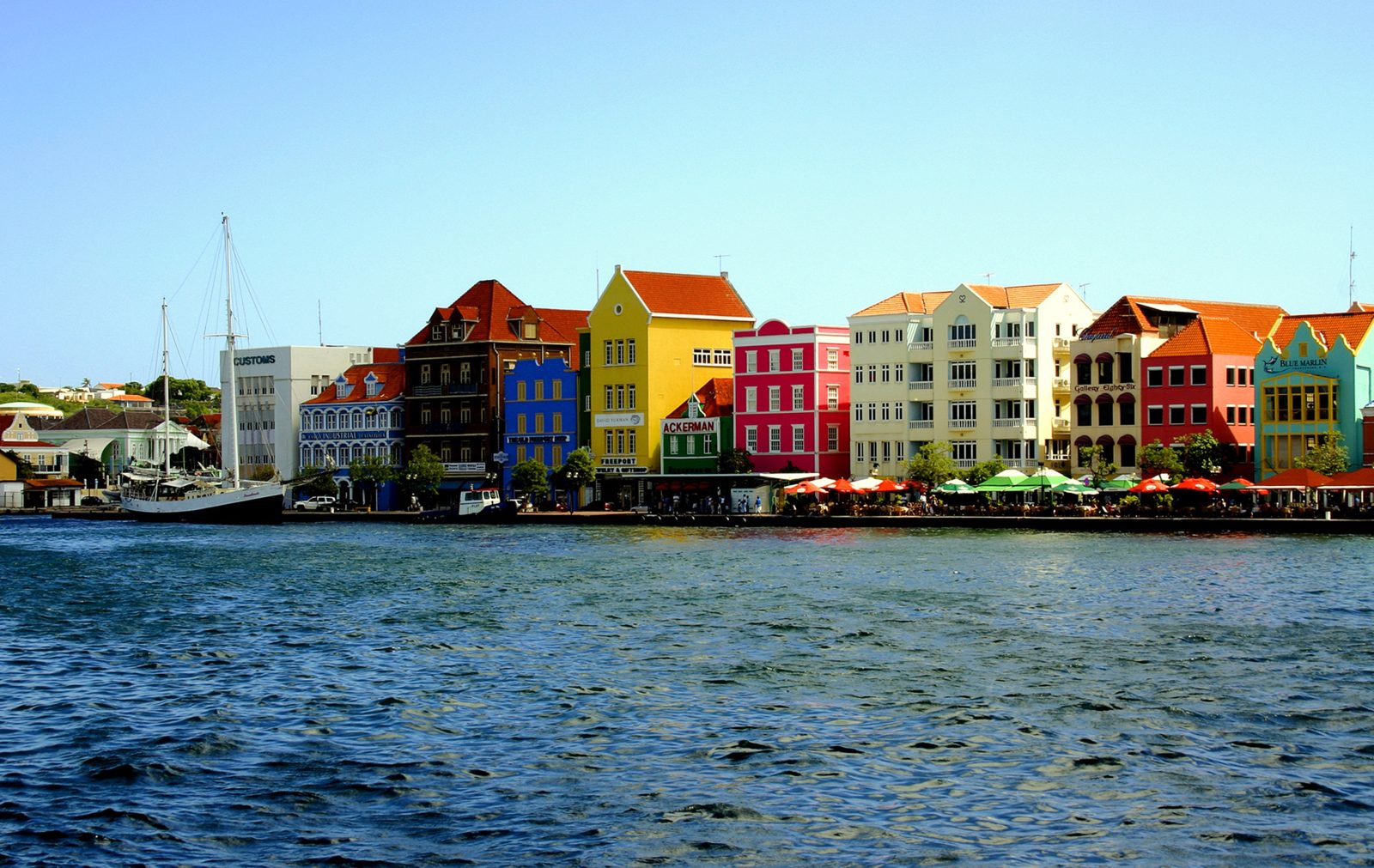
If you're in Willemstad on a Thursday and you don't already have plans, you have plans now. Punda Vibesis a free, weekly street festival that turns the historic Punda district into the liveliest few blocks in the Caribbean. Live Tumba and Tambú music on every corner, folkloric dancers in traditional dress, craft markets, and street food, all packed into the same UNESCO-listed streets you'd otherwise just be walking through by day.
It runs roughly 6 PM to 10 PM every Thursday, rain or shine, all year round. Not a one-off event you have to time your whole trip around. Land on a Tuesday, and Punda Vibes is already on your itinerary without you doing anything.
The main event happens at 8:15 PM:fireworks over the Handelskade waterfront, visible from basically anywhere in Punda. Locals swear by three spots for the best view. The Handelskade waterfront itself, Wilhelmina Plein, or looking down from a rooftop table at Cascada Rooftop Bar, which is booked out well in advance on Thursdays for exactly this reason.
Bring some cash for the food stalls (pastechi. A fried pastry stuffed with meat, cheese, or fish — is the local favorite), wear shoes you don't mind walking cobblestones in, and plan your ride home before the crowds start leaving. This is genuinely one of the best free things to do anywhere in the Caribbean, and it happens 52 times a year.
Two Bridges and a Giant Sign, The Willemstad Photos Everyone Takes
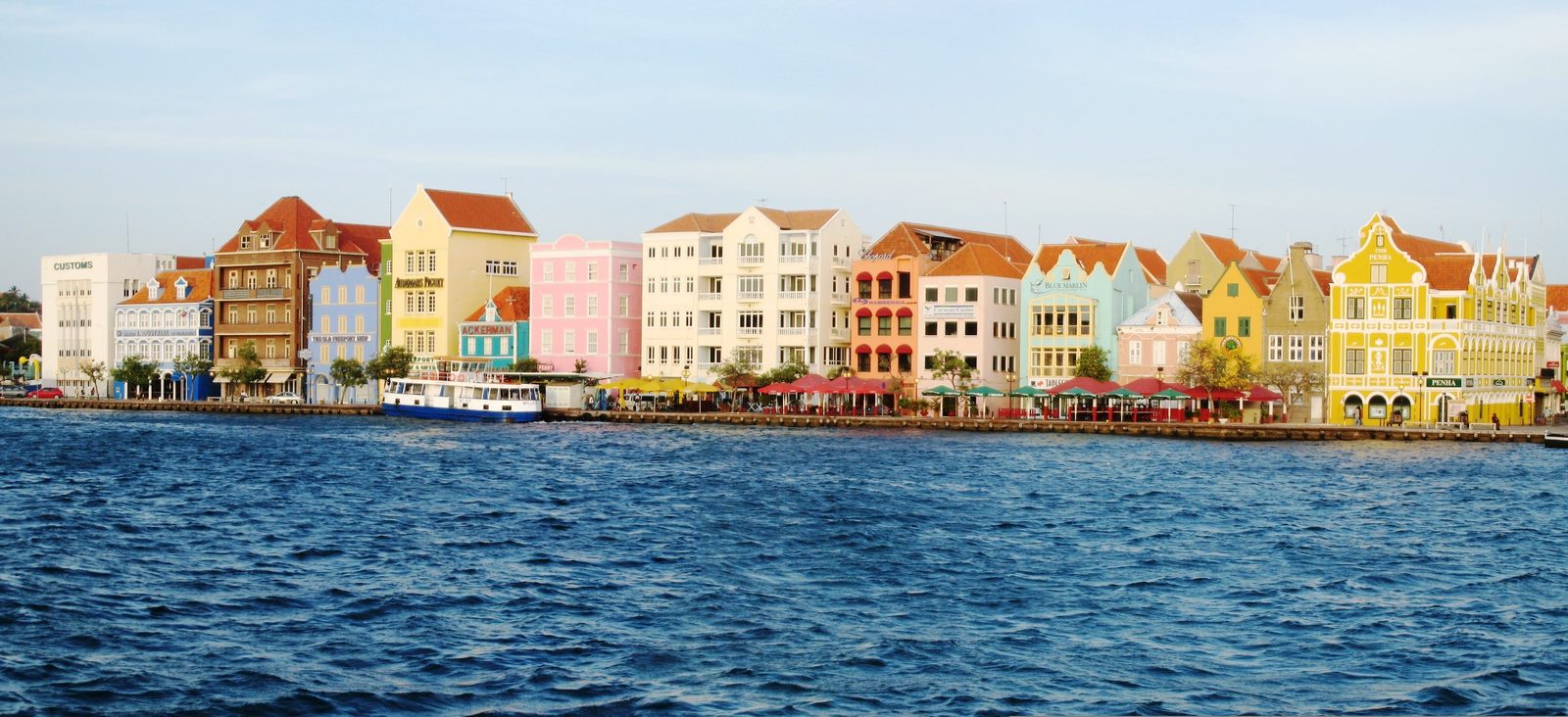
Three landmarks show up in nearly every Curaçao photo album, and they're all within a 10-minute walk of each other in Willemstad.
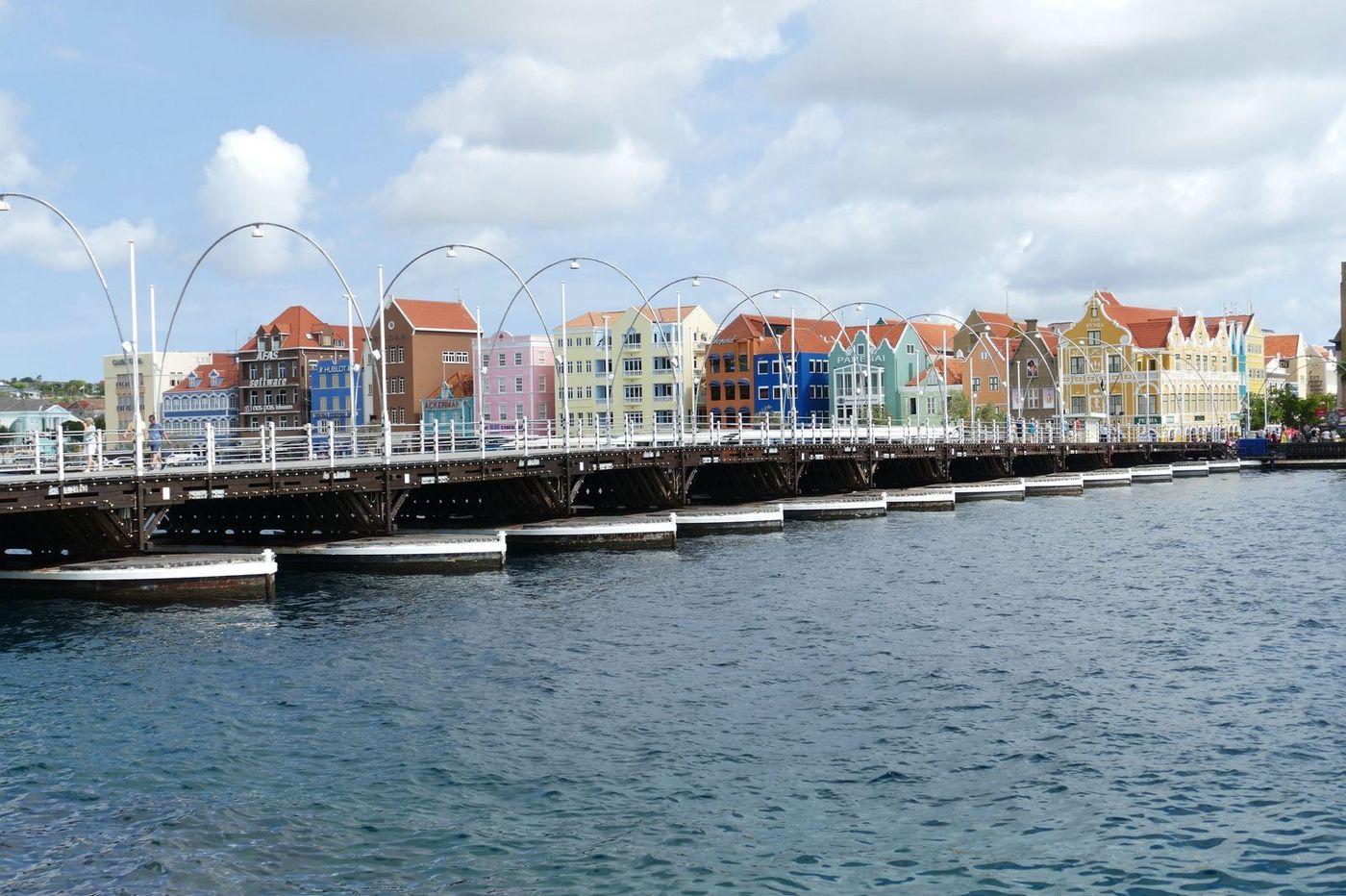
Queen Emma Bridge — nicknamed the "Swinging Old Lady". Is a floating pontoon walkway built in 1888 connecting Punda and Otrobanda. It genuinely swings open on the water to let ships pass, and if you're walking across when the bell rings, you don't get off. You just ride the bridge as it swings.
A short distance away, Queen Juliana Bridgeis the tall arched one you can spot from almost anywhere in the city. Opened in 1974, and built high enough for the largest cruise ships to sail underneath into the harbor. Driving across it gives you one of the most dramatic views on the entire island.
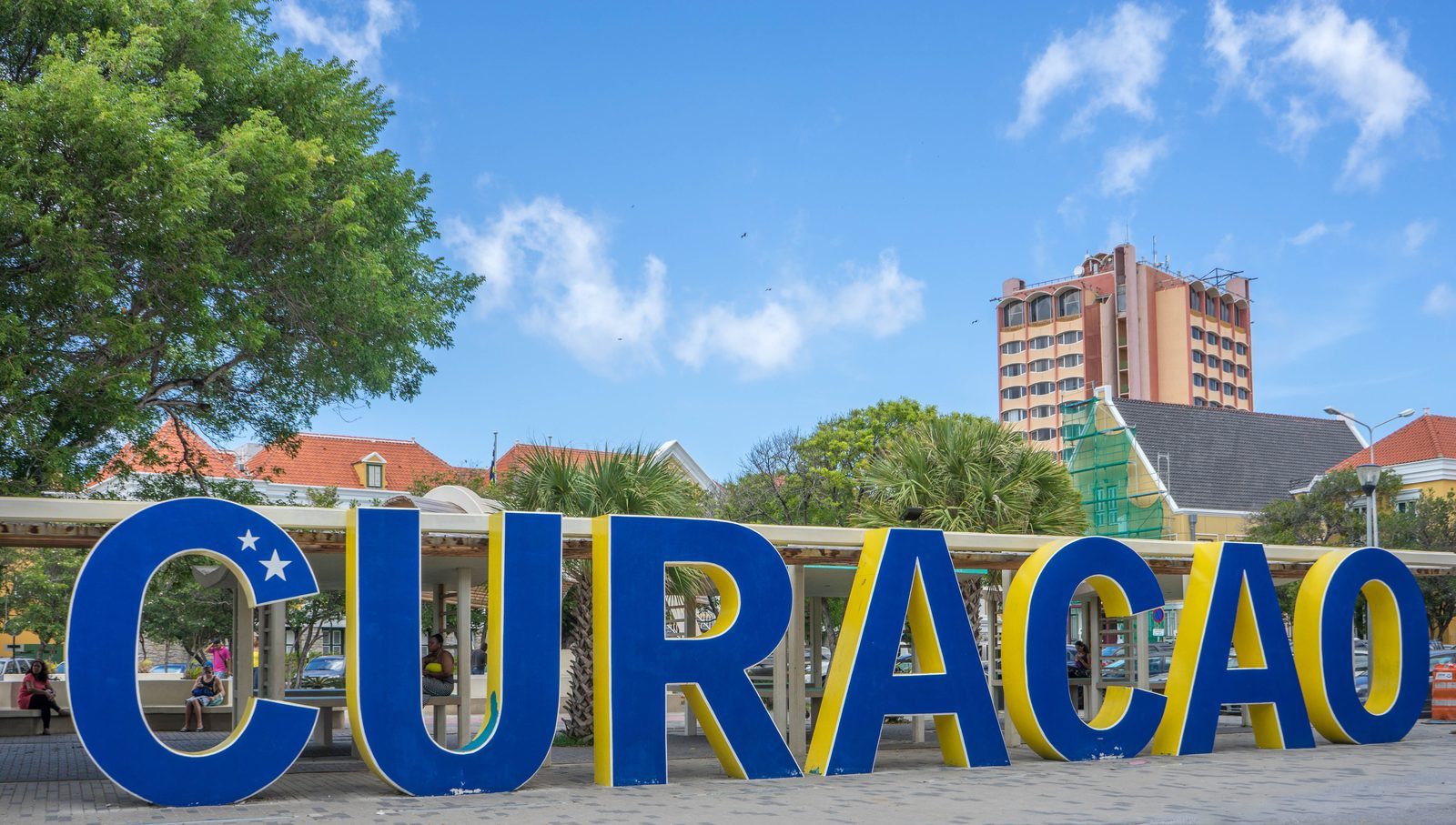
And in Wilhelmina Plein, right in the heart of Punda, you'll find the giant CURAÇAOand DUSHIletters — the island's most-photographed sign. "Dushi" is Papiamentu for sweet, lovely, good. The word locals use for everything from a good meal to a good friend to a good day. No trip to Willemstad is complete without a photo standing next to it.
All three are easy to hit in one walk. And if you're there on a Thursday, you'll be doing it with Punda Vibes happening around you.
No Uber in Curaçao? Here's the App That Actually Works

If you've searched "Uber Curaçao" or "Lyft Curaçao" before your trip, you've probably already found the answer: neither one operates here, and there's no confirmed date for either to launch.For visitors used to opening an app and getting a ride in minutes, that's a genuinely disorienting gap, and it shows. Search any Curaçao travel forum or Facebook group and you'll find the same complaints over and over: taxis that feel expensive, prices that seem to shift depending on who's driving, and no way to know the fare before you're already in the car.
Here's why that happens.Curaçao taxis don't run on meters. Instead, drivers work from a government-set maximum fare card. Which means the price you're quoted can legally vary from driver to driver, and it's easy to end up paying the top of that range without ever knowing there was a lower one. It's not that drivers are doing anything illegal; it's that the entire system was never built around price transparency the way an app-based service is.
That gap is exactly what Kumbai was built to close.Kumbai is a locally based ride app made specifically for Curaçao. Not a foreign company parachuting in, but a platform built by and for the island, connecting you directly with local drivers the same way Uber or Lyft would elsewhere. Open the app, see your fare upfront before you book, and get picked up — no negotiating, no guessing, no surprise at the end of the ride.
So if you're planning a Curaçao trip and wondering how you'll get around without Uber: download Kumbai before you land, and you'll have exactly the experience you were expecting to find. Just built for this island specifically, instead of missing from it.
The Smallest Nation Ever to Reach a World Cup, Curaçao's Blue Wave Story
The flag of Curaçao. The two stars represent the island of Curaçao and Klein Curaçao. (We couldn't use an actual match photo here due to copyright on official press images: see the real thing on the team's official Instagram.)
In November 2025, something happened that had never happened before in the history of the World Cup: Curaçao. Population under 150,000, qualified for the 2026 FIFA World Cup, topping their CONCACAF qualifying group and becoming the smallest nation by both population and land area ever to reach the tournament.
The team plays under the nickname The Blue Wave, captained by Leandro Bacuna (formerly of Aston Villa, now playing in Türkiye), with his brother Juninho Bacuna alongside him in midfield. Their squad is scattered across nearly a dozen leagues worldwide — Miami to Switzerland to Saudi Arabia. But every one of them plays for the same small island.
Drawn into a brutal Group E alongside Germany, Ecuador, and Ivory Coast, the Blue Wave made history again in their opening match: Livano Comenencia scored Curaçao's first-ever World Cup goalagainst Germany. Their second match brought an even bigger milestone: a 0-0 draw with Ecuador, Curaçao's first point at a World Cup, with goalkeeper Eloy Room turning in a heroic 15-save performance and being named Man of the Match. The first Curaçaoan player ever to earn that honor at a World Cup.
Even the kits tell the island's story: the away shirt draws its pastel yellow, orange, pink, and turquoise straight from the streets of Punda and Otrobanda in Willemstad, while the home kit's deep blue represents the Caribbean Sea itself, with subtle wave patterns on the sleeves.
Whether Curaçao advances further or not, they've already made history simply by being there. And if you're on the island during a match, you'll feel exactly why they call it a wave: it moves through every street, every bar, every beach, all at once.
Do You Need a Passport or Visa for Curaçao?

Yes, a valid passport is requiredfor all visitors entering Curaçao, regardless of nationality. Curaçao is a constituent country within the Kingdom of the Netherlands, but it is not part of the EU's Schengen Area, so your Schengen visa (if you have one) does not automatically cover it.
For most tourists, no separate visa is needed.U.S. citizens, for example, can stay without a visa for up to six months per calendar year for tourism. Citizens of the EU, Canada, and many other countries also enjoy visa-free entry for short tourist stays — but requirements do vary by nationality, so it's worth double-checking with the nearest Dutch/Netherlands embassy or consulate before you book.
On the flight in, you'll typically be handed an Embarkation/Disembarkation (ED) Cardto fill out, keep a pen handy. When you leave, be aware of the departure feecharged at the airport for international flights (this is sometimes already included in your ticket price, so check with your airline).
Best Time to Visit Curaçao: Weather Month by Month

Curaçao sits just outside the Atlantic hurricane belt, which is a big reason it's such a popular year-round destination. The island stays warm and sunny almost all year, with average temperatures around 27°C (81°F)and steady trade winds keeping things comfortable even in summer.
October through Decemberare the rainiest months, though showers are typically short. Think a 30–60 minute burst of rain, then back to sun. December is also the busiest and most expensivetime to visit, thanks to holiday travel and Carnival season kicking off right after New Year's.
If you want great weather without the peak-season crowds and prices, April through Juneis widely considered the sweet spot. Reliably sunny, fewer tourists, and often cheaper flights and hotels.
Is Curaçao Safe for Tourists?
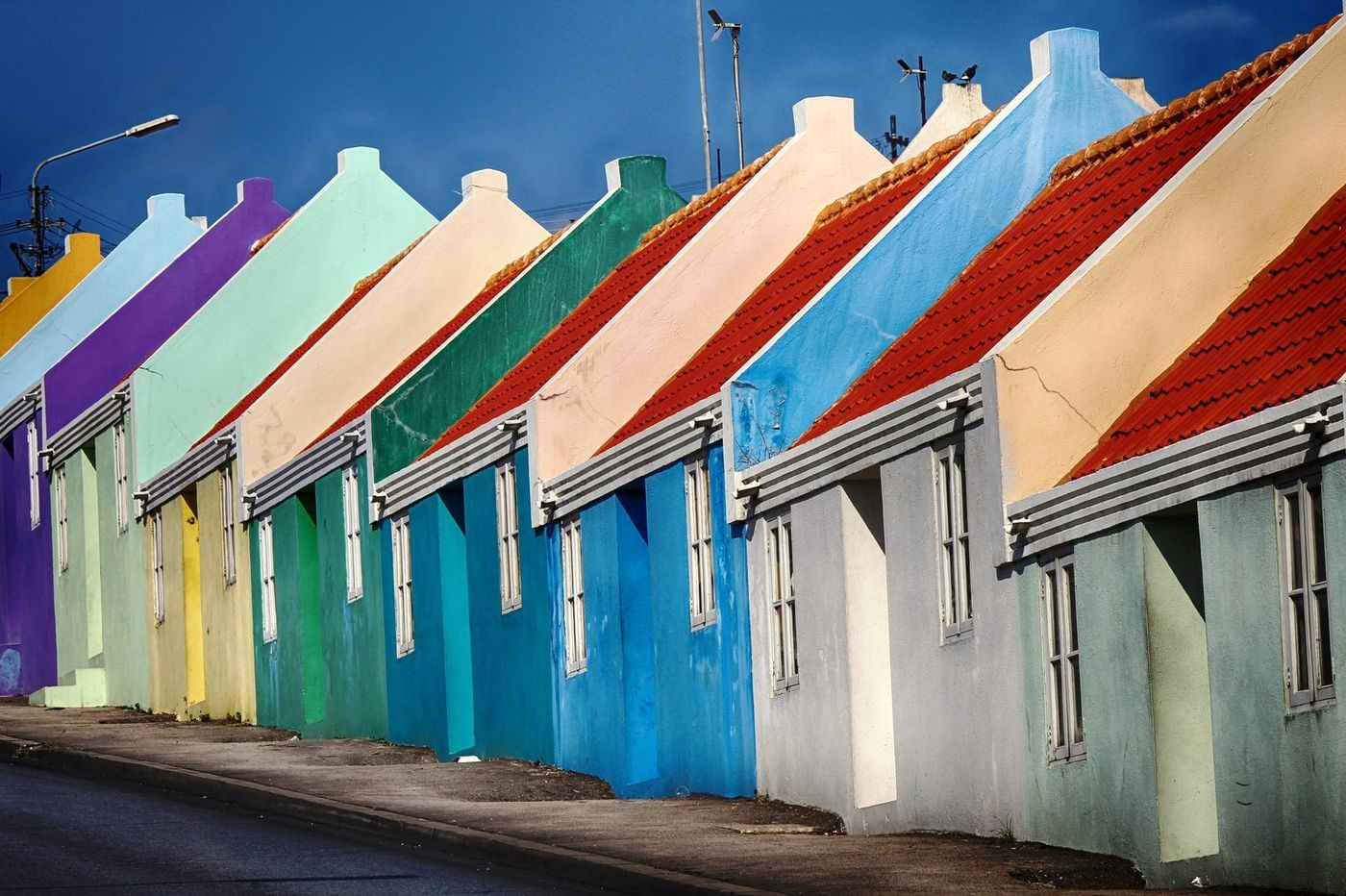
Generally, yes. Curaçao is regularly described by travelers and travel guides as one of the safer islands in the Southern Caribbean, with a distinct, non-Americanized Dutch Caribbean culture that many visitors find refreshing. That said, "safe" doesn't mean "no precautions needed". The same common sense you'd use in any unfamiliar destination applies here.
What to actually watch for:petty theft on beaches (don't leave valuables unattended on the sand or visible in a parked car), and extra caution around isolated nature areas, remote beaches, and informal parking areas used by divers, where thefts have occasionally been reported. Violent crime against tourists is uncommon but not unheard of — standard travel-pair-up-at-night advice applies, especially around nightlife areas.
Driving:road signage and lighting can be inconsistent, especially in rural areas, and roads get slippery fast in rain. Watch for scooters, motorcycles, and, genuinely, goats crossing rural roads. Emergency number for police is 911.
Official safety ratings
Practical safety tips
- Don't leave valuables visible in a parked car. Theft from rental cars at beaches does happen
- Use a cross-body bag in crowded areas like the Floating Market and cruise port
- At night, use a booked taxi rather than walking unfamiliar streets alone. Pietermaai and Jan Thiel are fine; isolated side streets are not
- Don't accept help at ATMs, machines are straightforward to use without assistance
- Emergency number: 911 (police, fire, ambulance)
Safe at night:book a Kumbai instead of hailing a street taxi. You see the driver's name and plate before they arrive, and your route is tracked. Download the app →
Money in Curaçao: Currency, Cards, and Tipping
The official currency is the Caribbean Guilder (XCG, symbol Cg), introduced in 2025 to replace the old Netherlands Antillean Guilder (ANG). If you see "ANG" or "NAf" mentioned in older guides, that's outdated. Here's the good news for U.S. travelers: US dollars are widely acceptedalmost everywhere on the island, from restaurants to taxis to shops, at a fixed rate of roughly 1.79 XCG per USD. You'll often see prices posted in both currencies.
Credit and debit cards are accepted at most hotels, restaurants, and larger shops, but it's smart to carry some cash (either USD or XCG) for smaller vendors, local markets, and taxis, where card machines aren't always available or reliable.
Money-saving tip:touristy restaurants in central Willemstad tend to charge more. Local canteen-style eateries and markets serve the same Caribbean-Dutch-Latin-African fusion food for noticeably less, and it's usually better.
Tipping guide
| Service | Tip |
|---|---|
| Restaurant | 10–15% (check if service charge already included) |
| Taxi / Kumbai | 10% customary |
| Tour guide | $5–10 per person for a half-day tour |
| Hotel housekeeping | $1–2 per night, left daily |
Paying for taxis — the easy way
Most street taxis are cash only (XCG or USD). With Kumbai you can pay by card. Useful when you don't want to carry cash or need a receipt for expenses.
Pay by card, get a receipt.Kumbai rides are charged to your card, no cash needed, no tipping guesswork. Download the app →
Getting Around Curaçao: Taxi, Rental Car, or Both?
Curaçao is bigger than most people expect. Roughly twice the size of neighboring Aruba — and its best beaches are spread across the western side of the island, well outside Willemstad. Public buses exist but run infrequently and follow limited routes, so they're not a reliable way to explore the island on any kind of schedule.
Your real options
| Option | Best for | Watch out for |
|---|---|---|
| Rental car | Multi-stop days, 7+ night stays | Parking, night driving, cost with insurance |
| Kumbai app | Airport, nights out, single-destination days | Book in advance for remote beaches |
| Tour with driver | Full-day island exploration, groups | Less flexibility on timing |
| Street taxi | Short trips from hotel/resort | No upfront price, always confirm first |
The practical middle ground most visitors land on:Kumbai for the airport transfer and nights out (fixed price, confirmed driver, live tracking), and a rental car for 1–2 days of heavy island exploration. You don't have to commit to one option for the whole trip.
Kumbai also covers island tours. So if you want a driver who knows exactly where the flamingos are at Jan Kok or which west-coast beach is uncrowded on a given day, that's already built in.
Download Kumbai before you fly — set up your account from home so your first ride from the airport is already sorted before you land. Fixed upfront price, driver confirmed, no queue at the taxi stand. Get the app →
Papiamentu 101: Local Words Every Visitor Should Know
Papiamentu is Curaçao's native Creole language. A genuinely unique blend of Spanish, Portuguese, Dutch, and West African influences, spoken alongside Dutch and English across the island. You won't need it to get by (English and Dutch are both common in tourist areas), but knowing a few words goes a long way with locals.
If you speak Spanish, you'll actually recognize a good chunk of Papiamentu vocabulary. It makes picking up a few phrases easier than you'd expect.
How to Get from Curaçao Airport to Your Hotel (Without the Hassle)
Curaçao International Airport (CUR, also called Hato) sits about 8 miles (13 km) northwest of Willemstad. The moment you clear arrivals, you'll find an official taxi stand right outside — no need to book anything in advance if you're comfortable walking up and hopping in the next car in line.
Look for the "TX" on the license plate — that's how you confirm a taxi is officially registered. Curaçao taxis don't use meters; instead, drivers carry a government-issued fixed-rate card. Always confirm the price with your driver beforeyou get in, even though the rates are standardized.
Starting in 2026, you'll also see a second type of plate: "RC," with a distinctive orange stripe.The Curaçao government introduced these to license additional drivers on a temporary basis, specifically to keep up with the island's fast-growing tourism numbers. An RC plate is just as legitimate as a TX plate. It simply marks a driver operating under this newer, temporary permit system rather than the traditional long-standing taxi license. Either one means you're in a legally operating vehicle.
What to expect to pay:a ride from the airport to Willemstad or nearby hotel areas typically runs somewhere in the $30–45 USD range for up to 4 passengers, more for further-out areas like Jan Thiel. By government rule, rates go up 25% at night (11:00 PM–6:00 AM) and on Sundays and public holidays, and again for groups larger than 4. A 10% tip is customary.
Want to skip the arrivals-hall guesswork entirely?Booking a private transfer in advance means a driver is waiting for you by name the moment you land. No negotiating, no queue, no surprises on price.
Before you land — Digital Immigration Card
Curaçao requires all visitors to complete a Digital Immigration Card (DI Card)within 7 days before arrival. It's free and takes about 5 minutes at dicardcuracao.com. Watch out for third-party sites that charge a fee, the official one is free. You'll need your flight number, passport details, and accommodation address.
Airport to hotel — real prices
| Destination | Street taxi (max fare) | Street taxi |
|---|---|---|
| Willemstad | $40–45 | $65+ |
| Mambo Beach / Seaquarium | $45 | $60+ |
| Jan Thiel | $50–55 | $75–80 |
| Blue Bay | $40 | $55+ |
| Santa Barbara / Sandals | $75 | $90+ |
Download Kumbai to see your exact upfront price.Open the Kumbai app, set your destination, and your driver will be at arrivals when you walk out. Price shown upfront, no negotiating at the taxi stand. See airport taxi guide →
Curaçao Taxi Prices: What Every Traveler Should Know Before Booking
For years, Curaçao taxi pricing ran on an honor system. No meters, no app, just a conversation with the driver. That's changed: the government now sets official maximum faresthat cab drivers legally cannot exceed, though they're free to charge less.
The catch:there's still no meter. Drivers use a fixed-rate reference card based on your destination, so it's on you to confirm the fare before the ride starts. The price should never be a surprise when you arrive.
A few things that legitimately affect the price: more than 4 passengersadds roughly 25% to the fare, and by government rule, night rides (11:00 PM–6:00 AM), Sundays, and public holidaysalso carry a 25% surcharge, and shared rides (splitting a taxi with other travelers heading the same direction) are charged per person and end up noticeably cheaper than booking privately.
Almost all taxis in Curaçao accept cash only. Either XCG or USD. So it's worth having some on hand rather than assuming card payment will be available.
Top 5 Beaches to Visit in Curaçao (and How to Get There by Taxi)
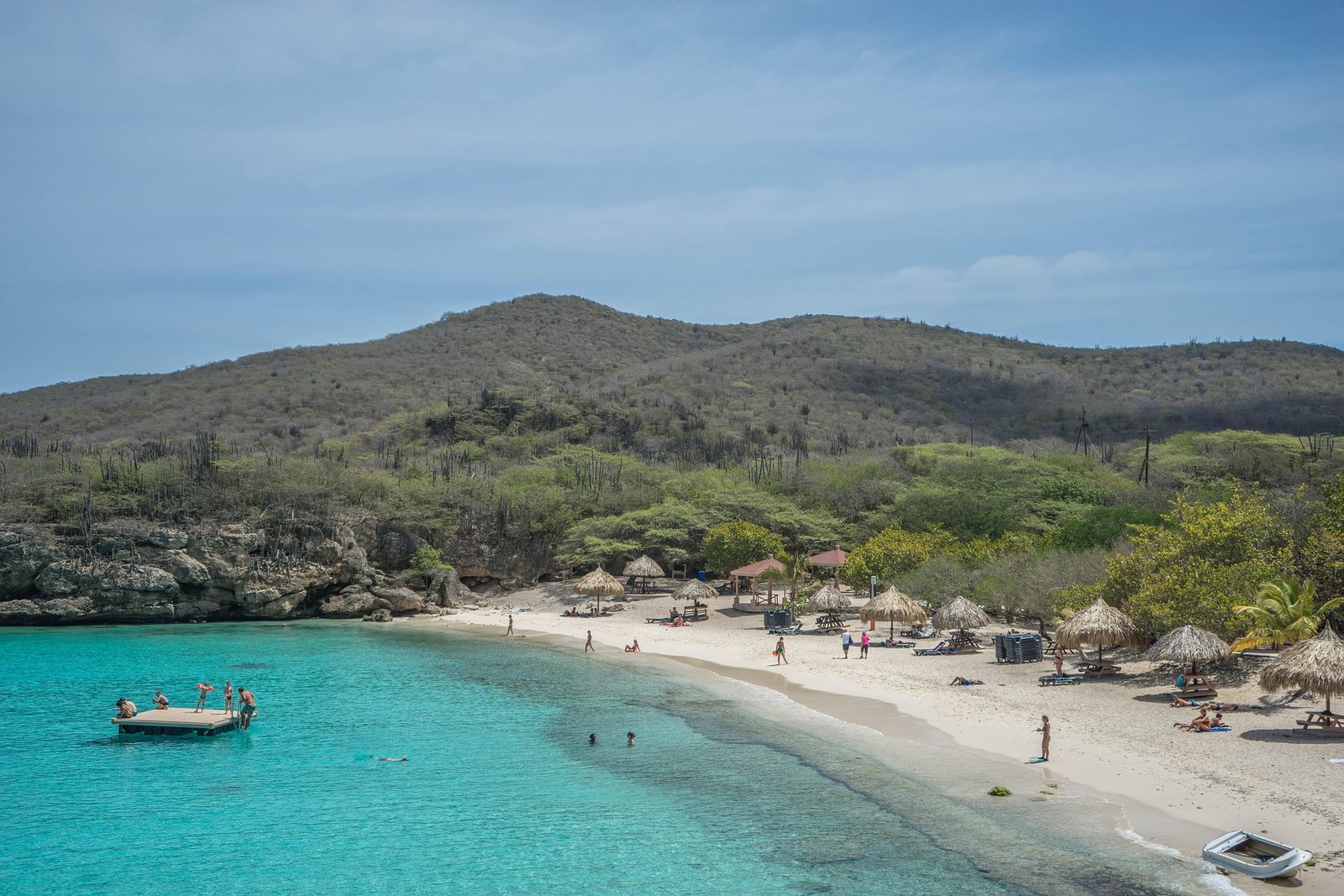
Curaçao's best beaches are concentrated on the western side of the island. A bit further from Willemstad, but well worth the ride. Here are five that consistently top locals' and travelers' lists:
Street taxi regulated fares
| Beach | From Willemstad | Drive time |
|---|---|---|
| Mambo Beach / Seaquarium | $20–30 | 10–12 min |
| Jan Thiel | $35–45 | 18–20 min |
| Blue Bay | $40–55 | 15–18 min |
| Cas Abao | $55–70 | 30–35 min |
| Playa Kenepa Grandi | $65–80 | 50–60 min |
Planning a beach day?Book your Kumbai in advance. The price is fixed and shown before you confirm. No negotiating at the taxi stand when you're trying to get an early start. Download the app →
Private vs Shared Taxi in Curaçao – Which One Should You Choose?
Both options exist on the island, and the right one depends on your group size, budget, and how much you value privacy over price.
Shared taxisare common for popular routes like beach trips. You pay a per-person rate, and the driver picks up other travelers heading the same direction. It's noticeably cheaper, especially if you're traveling solo or as a couple, but you'll want to agree on the per-person price upfront and be flexible about timing, since the driver may wait to fill more seats.
Private taxiscost more but you set the schedule. No waiting for other passengers, no stops you didn't ask for. This is generally the better call for airport transfers (especially with luggage), families with young kids, or anytime you're on a tight schedule.
Groups of 4+often find private works out to a similar per-person cost as shared anyway, once you factor in the 25% surcharge shared rides can add per extra passenger beyond the base group.